
Why Cascadia Tech Matters Now
When we talk about big tech centers, places like Silicon Valley or New York often come to mind. But there’s another important area that’s growing fast and making a huge impact: Cascadia tech. This isn’t just one city, but a special connected region in the Pacific Northwest. It stretches from Vancouver, British Columbia, down through Seattle, Washington, and into Portland, Oregon. Think of it as a big innovation depot where new ideas are always popping up.

This area is home to over 16 million people and has a very strong economy, making it a powerful force in the global tech world. In fact, many see the Cascadia Innovation Corridor as aiming to be the world’s first truly sustainable mega-region, balancing growth with caring for the environment. Connecting these major cities are important efforts like the Cascadia Megaregion transportation efforts, which show just how linked these places are. Looking at the Cascadia Bioregion facts and figures, it is clear this region has a large reach.
The Cascadia tech scene is becoming a world technology center. It plays a big role in new ideas, jobs, and how businesses work. Understanding this region is key for anyone who wants to stay updated on where technology is headed in 2026 and beyond.
In this article, you will learn many things about this exciting region:
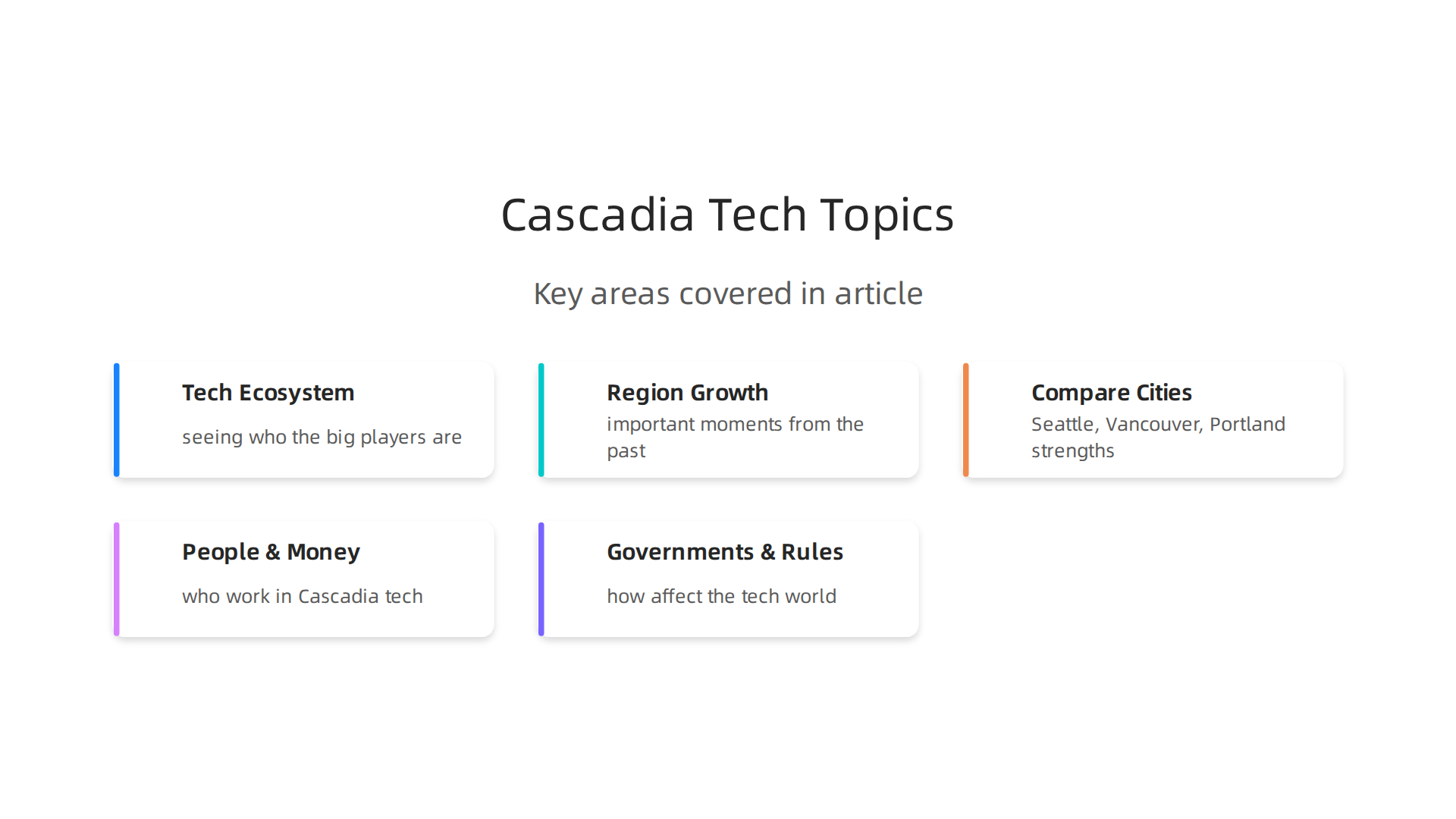
- We will look closely at the Cascadia tech ecosystem. This means seeing who the big players are and what kinds of tech they work on.
- We’ll explore what made this region grow so strong in technology, looking at important moments from the past.
- We will compare cities like Seattle, Vancouver, and Portland to see their unique strengths in tech.
- You’ll find out about the people who work in Cascadia tech and how money helps new ideas get started.
- Lastly, we will talk about how governments and rules affect the tech world in Cascadia.
By the end, you will have a clear picture of why Cascadia tech is so important in the world today. To learn more about broad movements across the globe, check out our insights on the Global Tech Landscape 2026: Strategic Trends for Business.
To keep up with fast-changing tech news, including what’s happening in places like Cascadia, you might want to get The AI Newsletter Worth Reading.
A concise Cascadia ecosystem overview
The Cascadia tech region is a shining example of how different places can work together to create a powerful engine for new ideas. At its heart are three important cities: Seattle in Washington, Vancouver in British Columbia, and Portland in Oregon. These cities are like special hubs, each bringing its own strengths to the big Cascadia tech picture.
Think of it this way: Seattle is known for its giant tech companies and a long history of software and cloud computing. Vancouver, just over the border in Canada, is growing fast in areas like gaming, animation, and AI. Portland, further south, is a leader in clean technology and design. These cities are linked by more than just geography. They work together on plans for faster travel and research, showing a strong focus on Cross border regional planning: insights from Cascadia to boost the entire area. Experts believe that working together, Seattle and Vancouver alone can make their combined performance in innovation much better, as highlighted in The Cascadia Innovation Corridor Opportunity.
The health of the Cascadia tech ecosystem is strong in 2026. We see many new companies starting, and lots of money is being invested into fresh ideas. This region is truly becoming a major center for technology in the world. Key areas of growth include Artificial Intelligence (AI), with the region facing its own Cascadia’s AI Moment? to become a global leader. Clean technology is another booming sector, supported by programs like the Cascadia CleanTech Accelerator, which helps new, green companies grow. We also see growth in life sciences and advanced computing. The way these different parts connect and work together is vital for improving innovation in the whole region, a key focus of Optimizing regional innovation ecosystems through actor … research.
This strong growth and constant new ideas make Cascadia a true hall of tech, attracting talent and investment. To understand the bigger picture of new ideas and discoveries, it’s good to look at R&D Technology Trends 2026.
How Cascadia’s tech ecosystem evolved: key historical drivers
The amazing tech growth we see in Cascadia today didn’t just happen overnight. It was built on a long history of important moments and smart choices.

This journey shows how different towns came together to create an "innovation depot" that is now known as a "world technology center."
Let’s look back at how each major city helped shape the Cascadia tech region. Seattle, for example, started with big companies like Boeing, known for making airplanes. This built a strong base of smart engineers and a culture of making things. Then, in the 1980s, Microsoft came along and changed everything with software. This brought even more skilled people and money to the area, creating a lasting impact on what technology means for us, much like learning about The Definition of Technology: History, Dimensions, and What It Means for You.
Across the border, Vancouver, British Columbia, had its own path. It started with industries like logging and fishing. But over time, it grew into a hub for digital media, video games, and animation. This change was helped by smart people and support from the government. Further south, Portland, Oregon, first became known as the "Silicon Forest" because of many computer hardware companies in the 1970s and 80s. Later, it shifted its focus to design and clean energy, building on its tech past.
Key players that helped this growth were important schools, often called "anchor institutions." Universities in Seattle, Vancouver, and Portland trained many bright minds and led important research. This created a steady stream of new ideas and workers for the growing tech companies.
Also, big plans and projects helped connect these cities. The Cascadia Innovation Corridor, for example, was a major step. It was set up with a Cascadia Innovation Corridor Pursues Bold Vision for the Future to link the cities even better. This meant making travel easier and sharing ideas faster across borders. This ongoing effort continues today, working to build a strong Cascadia Innovation Corridor 2025: Building a Bioregional Future Together through shared goals. These historical steps and ongoing efforts show how cross-border teamwork became a core part of the Cascadia tech story. This history is why Cascadia is now recognized as a true "hall of tech," attracting talent and new ideas from all over.
Each major city in the Cascadia region brings its own special tech strengths, making the area a true "world technology center."
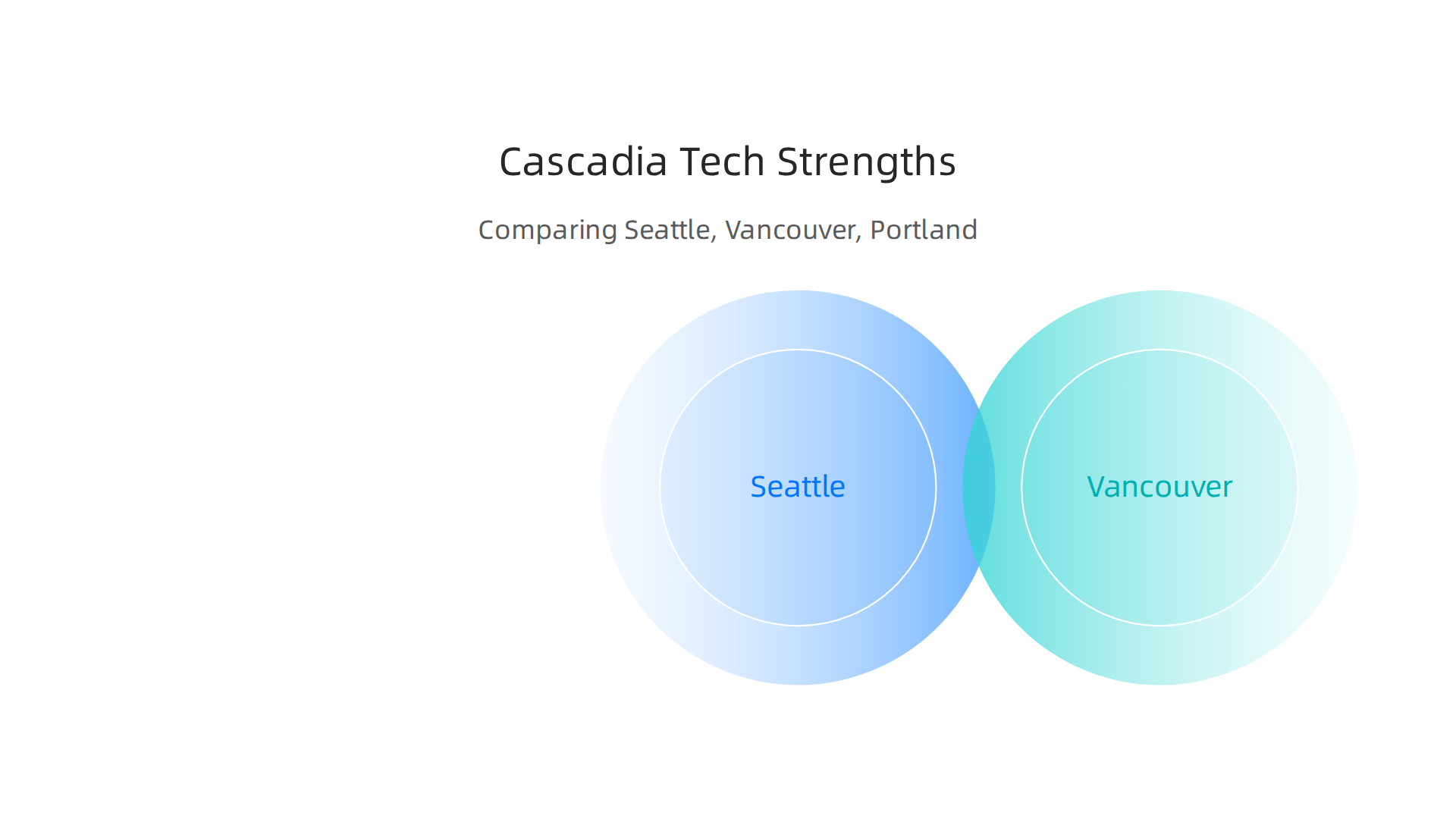
While they all share the goal of innovation, Seattle, Vancouver, and Portland each have a unique flavor that helps the whole Cascadia tech ecosystem grow stronger.
Seattle: A Leader in Cloud and Startups
Seattle remains a giant in the tech world. It’s home to big companies that focus on cloud computing and online retail. This city also has a very active startup scene. In the first quarter of 2026, Seattle startups brought in about $1.5 billion in new money across many deals, even if the number of deals was lower than before. This shows that investors are putting bigger bets on fewer companies here, according to a report on Seattle startup deal count drops to lowest level since 2020. Seattle is known for having a lot of support for new businesses, from co-working spaces to startup-focused law firms, making it a good place for founders in 2026. This environment helps it keep its place as a top "innovation depot."
Vancouver: A Hub for Digital Creativity
Just north of the border, Vancouver, British Columbia, shines in digital media. It’s especially famous for video game design, animation, and visual effects. This creative tech focus draws a different kind of talent and capital compared to Seattle’s software giants. Vancouver’s vibrant arts scene mixes well with technology, helping it grow as a key part of the Cascadia tech hall.
Portland: Design, Hardware, and Green Tech
Portland, Oregon, has a long history in tech, earning it the nickname "Silicon Forest" years ago for its computer hardware companies. Today, Portland still has strong roots in hardware but has also grown in areas like design and clean energy technology. The region even has accelerators like the Cascadia CleanTech Accelerator, which helps new businesses focused on green solutions. This focus on sustainable innovation makes Portland a vital partner in the broader Cascadia tech landscape.
Working Together and Healthy Competition
The cities of Seattle, Vancouver, and Portland don’t just stand alone; they often work together.

Seattle’s strength in cloud tech can help Vancouver’s digital media companies, for example. Portland’s clean energy focus supports the entire region’s move toward a greener future. This mix of strengths creates many chances for new ideas to bloom across the Cascadia region.
However, there’s also a friendly competition for smart people and investment money. Companies might try to attract the best engineers or designers from any of these cities. Investment groups like Cascadia Capital work across the region, showing how capital moves to support promising tech ventures wherever they are in Cascadia. This healthy competition helps push all three cities to do their best and keep the entire Cascadia tech region at the forefront of global innovation. Understanding the wider picture of how different regions contribute to technology is key to spotting new trends and opportunities, and you can learn more about this in our guide to the Global Tech Landscape 2026: Strategic Trends for Business.
To stay on top of these fast-moving changes and more, consider signing up for
The AI Newsletter Worth Reading.
Seattle, as a major player in the Cascadia tech scene, is more than just a place for big online shops and cloud services. It’s a key spot for how new technologies are built and spread. The city is known for its large companies that create important platforms, which are like big building blocks other businesses can use. Think of how many services run on cloud computing or how many smaller businesses rely on big online marketplaces. This makes Seattle an innovation depot that influences the entire world technology center.
These big platform companies also need many smart people. This means Seattle has strong "talent pipelines," where new workers are always learning and growing their skills. Universities, training programs, and the companies themselves help teach people what they need to know. This steady flow of skilled workers keeps the cascadia tech industry strong and helps new ideas come to life.
For investors and large companies, Seattle offers a very good place to grow. There’s a lot of money available for new businesses, even if investors are picking fewer, bigger bets in 2026. The city has many helpers for startups, like special law firms and places for people to work together. This strong support system helps new tech companies get started and grow big. It’s an environment where ideas can turn into real products and services, making Seattle a vibrant hall of tech. To learn more about what helps tech companies succeed, you can read our guide on how to spot major tech companies shaping 2026 for strategic advantage. Actually, the support goes even deeper than that, with specialized guidance for new founders looking to build a business in the city, showing how much effort goes into making Seattle a good place for tech to thrive, as detailed in the Seattle Startup Ecosystem: A Complete Guide for Founders in 2026.
Vancouver, another important city in the Cascadia region, plays a big role in the cascadia tech scene, especially when it comes to bringing in skilled people from other countries. Canada has policies that make it easier for talented tech workers to move there. This helps Vancouver grow its tech companies and become a strong innovation depot. It means new ideas and businesses can start and thrive with fresh talent always joining the workforce.
These international links are a special part of Vancouver’s tech story. The city gets many bright minds who help build up its tech industries. This cross-border flow of people and ideas makes the entire Cascadia area stronger as a world technology center. Vancouver is also known for specific tech areas, like clean energy and sustainable aviation. For example, there’s the Cascadia CleanTech Accelerator which helps new companies focused on clean technology. This kind of focus helps Vancouver stand out as a key part of the region’s hall of tech. To understand more about how different countries are shaping the digital world, you can explore the Global Tech Landscape 2026: Strategic Trends for Business.
The success of Cascadia’s tech scene doesn’t just come from big companies or easy borders. It also relies heavily on smart people. The region is a true innovation depot because it has many great universities, research labs, and training programs that help grow a strong workforce.
The Role of Top Universities and Research Labs
Across the Cascadia area, colleges and universities play a huge part. They teach students the new skills needed for tech jobs. These schools are like engines, constantly putting out fresh talent into companies, both new and old. Think of the research labs at these universities. They are always working on new ideas, from healthcare to advanced computer science. For example, institutions like PNWU actively partner with various organizations, including academic and industry groups, to further research efforts and improve the regional economy Research at PNWU. This creates a lively place where new discoveries are made. This kind of work helps Cascadia stay a leader, truly a hall of tech where new ideas are born and put into action. Students are supported throughout their academic journey with resources like career planning to help them find their path in this fast-moving sector Career Planning.
Workforce Dynamics: Migration, Remote Work, and Skills Gaps
The way people work is changing fast. In 2026, we see new patterns in how tech workers move around and do their jobs.
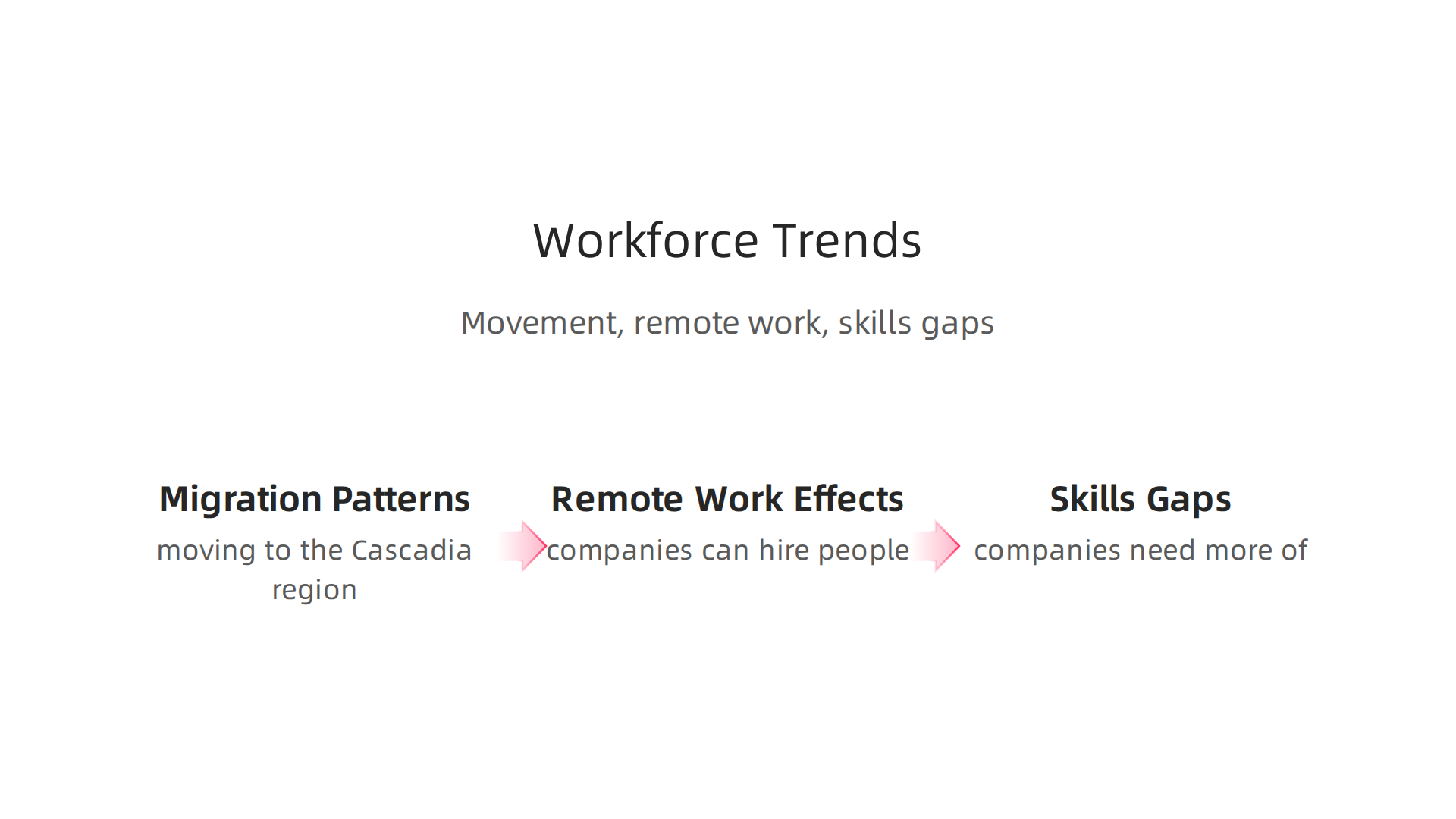
- Migration Patterns: People are still moving to the Cascadia region because of its strong job market and great quality of life. This flow of talent helps companies find the skilled workers they need.
- Remote-Work Effects: Many tech jobs can now be done from anywhere. This means companies in Cascadia can hire people who live outside the main cities, which helps fill open positions. But it also means other regions can try to hire Cascadia’s talent.
- Skills Gaps: Even with many bright minds, there are still some skills that companies need more of. This is especially true in fast-growing areas like Artificial Intelligence and advanced computing. Universities and special training programs work hard to close these gaps, making sure the workforce has the right tools for tomorrow. If you want to dive deeper into how different skills are shaping the tech job market, you can check out The Tech Interview Handbook 2026: Master AI and Emerging Tech Roles.
Overall, the strong connection between schools, research, and a changing workforce keeps the entire cascadia tech scene growing and strong. This focus on nurturing talent from within, while also welcoming talent from outside, helps cement the region’s place as a powerful world technology center.
Industry Concentration: AI, Cleantech, Biotech, and Other Verticals
The smart people and strong schools in Cascadia help the region shine in certain industries. It’s not just a general tech hub; it’s a place where specific areas of technology grow very fast. This focus makes Cascadia a powerful center for new ideas and business growth.
Key Sectors Driving Growth
In 2026, we see a big push in several important tech areas across the Cascadia region:
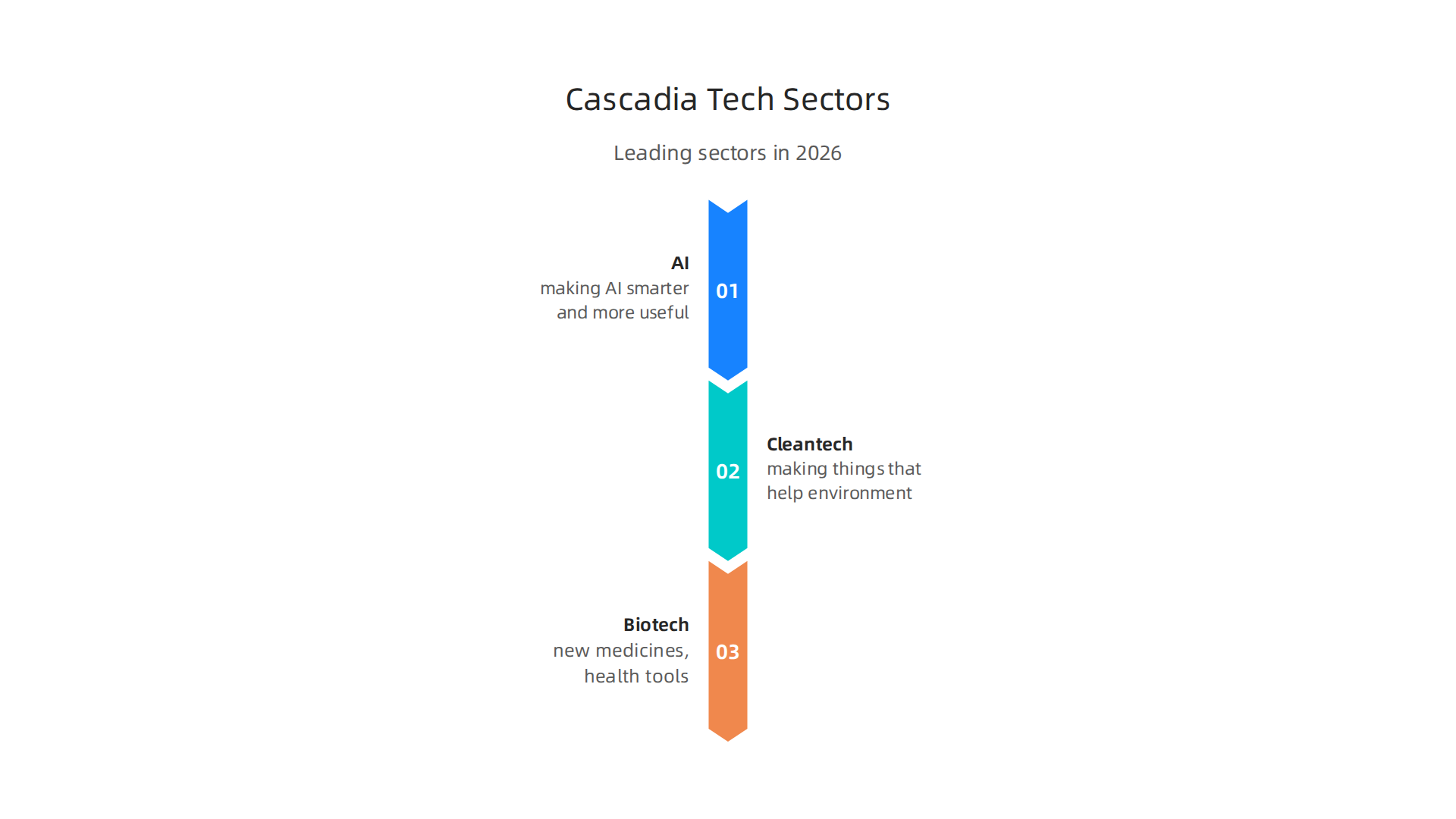
- Artificial Intelligence (AI): AI is a huge part of the Cascadia tech scene. Many labs and companies here are working on making AI smarter and more useful. This includes everything from new computer programs that learn to machines that can see and understand the world. This focus creates many chances for new companies and for existing businesses to use AI to grow. If you want to understand more about how AI can be used in business, check out our guide on Vision AI 2026 Pipeline Applications and Strategic Impact.
- Clean Technology (Cleantech): Cascadia is also a leader in cleantech. This means making things that help the environment, like cleaner energy, better recycling, and ways to reduce pollution. The region has many groups that help new cleantech companies get started, like the Cascadia CleanTech Accelerator. These programs give young companies the tools and guidance they need to succeed, helping them turn smart ideas into real products and services that protect our planet. For instance, accelerators offer mentorship and connections to help businesses make energy-saving products and reduce waste, as seen in past Cascadia CleanTech Accelerator programs Energy-saving, waste-reducing, planet-helping startups join 2020 Cascadia Cleantech Accelerator.
- Biotechnology (Biotech): The biotech sector here is strong, especially with its connections to local universities and research hospitals. Biotech companies work on new medicines, health tools, and ways to understand living things better. There’s a growing trend to use AI in drug discovery, which also helps make these new methods more sustainable Smart AI-driven drug discovery prioritizes sustainability. This area brings together smart people from different fields to solve big health challenges.
Investment and Partnership Opportunities
Because Cascadia has such strong areas of focus, it’s a great place for investing and forming partnerships. Companies in these special fields often find it easier to get funding. For example, even with a slight drop in total funding, the Seattle area still attracted about $1.5 billion in startup funding in the first quarter of 2026 Bigger checks, fewer bets: Seattle startup deal count drops. This shows that investors are still keen on the region’s innovative companies.
Specialization means that companies often work together. A biotech company might partner with an AI company to make a new medical tool. Or a university might team up with a cleantech startup to test a new green energy idea. These partnerships help new ideas grow faster and bring more success to the Cascadia tech community. The ability to find the right partners and investments is key for deep tech innovation. To stay on top of the latest advancements that could impact your business strategy, consider subscribing to The AI Newsletter Worth Reading for clear daily AI updates.
The strong focus areas of Cascadia tech also shape how money flows into the region. While some areas might see fewer deals, the overall investment shows that people still believe in the smart ideas coming out of Cascadia.
How Money Moves in Cascadia Tech
In 2026, we see some interesting trends in how investors are putting money into companies in the Cascadia region. For example, across the U.S., startups raised a lot of money in the first half of 2026, showing a strong interest in new tech ideas nationwide PitchBook-NVCA Venture Monitor. In Cascadia, this often means that investors are making bigger bets on fewer, but very promising, companies. Instead of many small investments, there are often larger amounts of money going to startups that show a lot of potential.
Big investment groups like Cascadia Capital are part of this picture, helping to guide where money goes and how companies grow in this special region Cascadia Capital: Home Page. These investors are looking closely at the deep tech areas we talked about before, like AI, cleantech, and biotech. They see these sectors as the future and are ready to support them.
What This Means for Businesses and Investors
This funding pattern has important lessons for different groups:
- For Founders: If you are starting a new company in Cascadia, you need to make sure your idea is very strong and unique. With fewer but larger deals happening, it means more competition for funding. But if you get that funding, it can be a big help for your growth. Having a clear plan for your technology and how it will make money is key.
- For Corporate Partners: Big companies looking to team up with new tech businesses will find many chances here. Cascadia is a great place to find innovative partners who are working on cutting-edge solutions. The region’s focus on deep tech areas means there are many smart people to work with. The Cascadia Innovation Corridor helps bring these smart ideas and partners together, aiming to make the region a world technology center.
- For Later-Stage Investors: For those who like to invest in companies that are already growing, Cascadia offers many opportunities. The early money helps startups get off the ground, and as they grow, they need more investment to become really big. This means there’s a good path for different kinds of investors to join in at various stages.
Understanding these trends helps everyone involved in the Cascadia tech scene make smarter choices. If you want to learn more about how to approach investing in new technologies, you might find our guide on Science Machine: Your Blueprint for Smarter Tech Investment very useful. It’s all about finding the right opportunities and knowing how to support them.
The flow of money into Cascadia tech is also shaped by how well the different parts of the region work together across borders. This means looking at the rules governments make, how people can move between the US and Canada, and the shared structures like roads and internet. These things help make Cascadia a strong place for new ideas and growth.
Cross-border collaboration, policy, and infrastructure
For Cascadia tech to truly become a world technology center, the US and Canada sides must work hand-in-hand.

Governments play a big role in this. They can create policies that make it easier for businesses to grow and for talented people to move where they are needed. For example, rules about visas and how people can cross the border affect who can work at companies in the region. If it’s easy for skilled workers to move, then companies can find the best people, no matter which side of the border they are on. Planning across borders is key for the Cascadia region to grow its tech strengths Cross border regional planning: insights from Cascadia.
Trade rules and shared ways of doing things also help. When it’s simple to do business between, say, Seattle and Vancouver, then companies can grow faster. The Cascadia Innovation Corridor, for example, aims to bring smart ideas and partners together to make the region a top tech hub The Cascadia Innovation Corridor. This kind of big thinking makes Cascadia an important innovation depot.
Beyond policies, physical connections are super important. Good roads, easy travel, and fast internet tie the region together. Plans for projects like a Cascadia High-Speed Rail could help people move between key cities like Seattle, Portland, and Vancouver much faster, making it easier for businesses to connect and grow Cascadia High-Speed Rail and I-5 Program. These shared structures are like the backbone for all the amazing Cascadia tech innovation happening.
For companies and investors working across the US-Canada border in Cascadia, it’s smart to understand these bigger rules. Knowing how policies affect workers and trade, and how new infrastructure projects can change things, helps you make better decisions. For example, understanding how global policy impacts tech can give you a strategic edge, as discussed in our guide on the Global Tech Landscape 2026: Strategic Trends for Business. It’s all about seeing the whole picture to help your business thrive in this unique region.
Summary
Cascadia tech covers the Pacific Northwest corridor from Vancouver through Seattle to Portland and is emerging as a globally significant innovation region. This article explains the ecosystem’s makeup, the unique strengths of each city, and the historical shifts—like Boeing, Microsoft, and the rise of digital media—that shaped today’s cluster. It highlights fast-growing sectors (AI, cleantech, biotech), the role of universities and cross‑border talent flows, and current funding patterns where investors make fewer, larger bets. You’ll learn how infrastructure projects, immigration and trade policy, and regional collaboration influence growth, and what that means for founders, corporate partners, and investors seeking opportunities in 2026 and beyond. By the end, readers will be able to compare city strengths, assess where to focus resources, and understand practical steps to engage with Cascadia’s tech scene.