
Introduction
Artificial intelligence is moving fast. Really fast. New research papers come out every day. New tools launch weekly. For anyone working in tech, staying on top of all this change feels impossible.

You might have a copy of Artificial Intelligence: A Modern Approach by Russell and Norvig on your shelf. That book is a classic for good reason. It teaches the core ideas that power today’s AI systems. But here’s the thing: the field of r artificial intelligence changes faster than any textbook can keep up with. The fourth edition came out in 2020, and since then we’ve seen breakthroughs in large language models, multimodal AI, and agentic systems.
So where do you turn next? How do you find the most valuable academic resources without drowning in information?
This guide is your answer. We’ve put together a structured roadmap that covers everything from foundational books like Artificial Intelligence: A Modern Approach to the most important recent papers and the best online courses for 2026. Whether you’re an ai engineer building production systems or a curious professional trying to understand where this technology is heading, you’ll find practical advice here.
As one helpful guide on trusted AI resources for higher education professionals and students points out, the key is balancing foundational knowledge with current developments. That’s exactly what we aim to do.
If you want to understand why the Russell and Norvig textbook still matters in 2026, we have a full breakdown on why artificial intelligence a modern approach remains essential. And for daily updates on the latest AI breakthroughs, check out The AI Newsletter Worth Reading. It delivers clear, actionable AI news straight to your inbox every day.
Let’s get started.
Why Academic Resources Are Essential for AI Professionals
You might wonder why you should crack open a textbook like artificial intelligence a modern approach by russell and norvig when blog posts and videos are everywhere. Here’s the truth: academic resources give you something flashy content can’t.
They offer peer-reviewed, rigorous knowledge that forms the foundation of trustworthy AI systems. Wikipedia notes that AIMA is considered the standard AI textbook worldwide, used at over 1500 universities. That level of trust comes from careful vetting by experts.
These resources also provide historical context and theoretical depth. Commercial blogs skip the "why" behind algorithms. Academic texts dig into it. That deeper understanding helps you evaluate new AI claims with sharper critical thinking.

For a closer look at why this textbook still matters, see our guide on why artificial intelligence a modern approach remains essential in 2026. And to keep that academic rigor current with daily breakthroughs, The AI Newsletter Worth Reading delivers clear, actionable updates straight to your inbox.
The Role of Foundational Texts
Textbooks like artificial intelligence a modern approach by russell and norvig serve as the bedrock for the entire field. They give you the core vocabulary and concepts every AI professional needs to know. Without these foundations, it is hard to build reliable systems.
These books do not gather dust. AIMA gets updated regularly. The fourth edition, released in 2020, includes new material on ethics, safety, and modern algorithms. In fact, it has been called the most popular artificial intelligence textbook in the world.
Because of this, top universities around the globe base their AI courses on these texts. When you study from a foundational book, you learn the same material taught to computer science students at leading schools. That shared knowledge helps you communicate with other professionals.
If you are new to this topic, start with our artificial intelligence basics guide to build a strong foundation.
Beyond Textbooks: Research Papers and Preprints
While artificial intelligence a modern approach by russell and norvig gives you the foundation, the real cutting edge lives in research papers. Textbooks take years to write and publish. By the time they hit shelves, some ideas are already moving forward.
That is where preprint servers like arXiv come in. Researchers post their latest work here long before it reaches a journal. Anyone can read it for free, which means you get access to breakthroughs as they happen. Top AI research databases and preprint repositories like arXiv host thousands of new papers every month covering everything from new algorithms to safety research.
Learning to read these papers is a key skill for any ai engineer. You do not need to understand every equation. Start with the abstract and the conclusion. Look for the main contribution. Over time, you will get better at spotting strong work versus weak work.
If you want to keep up with the latest developments, check out our list of top AI websites for reliable news and research. And for daily insights straight to your inbox, consider The AI Newsletter Worth Reading to stay updated on the fast-moving AI landscape.
Artificial Intelligence: A Modern Approach – A Deep Dive
If you want to truly understand AI, there is one book that stands above the rest. Artificial Intelligence: A Modern Approach by Stuart Russell and Peter Norvig is the most widely used AI textbook in the world. The fourth edition came out in 2020 and covers everything from classic search algorithms to modern deep learning. Over 1,500 universities use it because it explains things clearly and thoroughly. The book also comes with code repositories and online resources that help you put ideas into practice. For any ai engineer, this is the foundation. Check out why artificial intelligence a modern approach remains essential for a closer look at why it still matters in 2026. You can also see the AIMA textbook on Wikipedia for its history and impact.
History and Editions
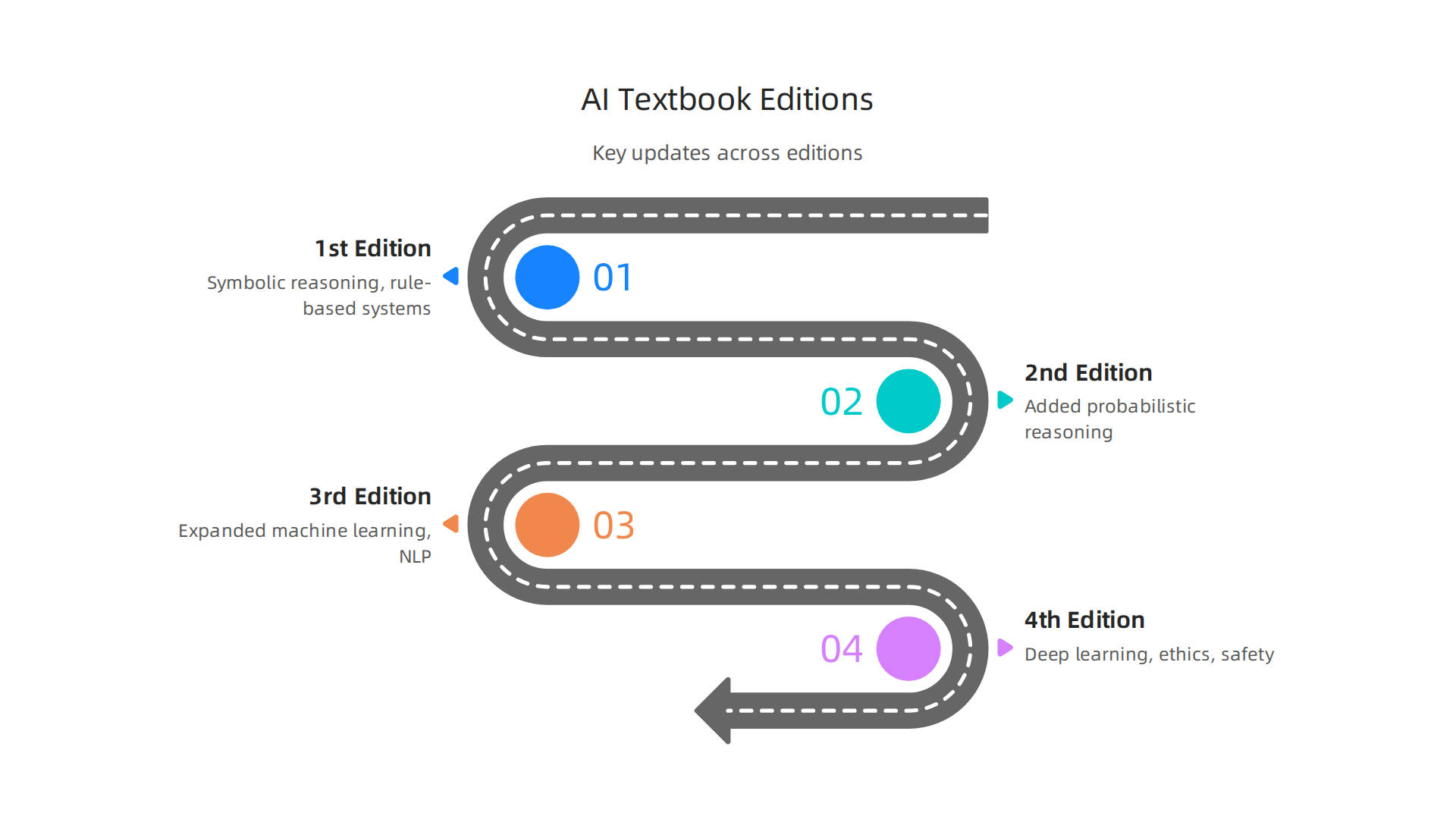
The story of artificial intelligence a modern approach by russell and norvig starts in 1995. The first edition captured the state of AI at that time, focusing heavily on symbolic reasoning and rule-based systems. Over the years, the field shifted dramatically. Each new edition of the book has tracked those changes closely. The second edition added more on probabilistic reasoning. The third edition expanded into machine learning and natural language processing.
The fourth edition, released in 2020, is the biggest update yet. It covers deep learning, reinforcement learning, and a whole new chapter on AI ethics, fairness, and safety.
The book also includes modern topics like computer vision and multi-agent systems. If you are wondering whether the book is a good starting point for learning AI, many learners say it absolutely is. For anyone serious about becoming an ai engineer, understanding how this book has evolved helps you see the bigger picture.
Want to stay on top of the latest AI trends as they happen? Try The AI Newsletter Worth Reading for daily updates.
Key Contributions and Influence
Artificial Intelligence: A Modern Approach by Russell and Norvig has shaped how the world learns AI. According to the book’s Wikipedia entry, it is used at over 1,500 universities worldwide and has been cited more than 59,000 times on Google Scholar. That is a staggering level of influence for any textbook.
The book’s structure and notation have become the standard across the field. When researchers write papers or create new courses, they often follow the framework that Russell and Norvig laid out. This consistency helps students move from classroom learning to real-world work without confusion.
Beyond the text itself, the authors provide code and resources on GitHub. These tools let you experiment with algorithms as you read. You do not just learn theory. You actually build things.

For anyone serious about becoming an AI engineer, this hands-on approach makes all the difference.
If you want a deeper look at why students still trust this book in 2026, check out our guide on why artificial intelligence a modern approach remains essential.
Top Academic Databases and Repositories for AI
To really learn from artificial intelligence a modern approach by russell and norvig, you need to explore the research behind it. Centralized databases are the main gateways. According to the AI research guide from NYIT, platforms like arXiv, IEEE Xplore, and ACM Digital Library hold millions of peer-reviewed papers. Each has a different strength. arXiv is fast with early research. IEEE Xplore is more curated. And open access is growing, making this knowledge easier to reach. If you want a curated list of trusted sources for staying informed, check out these top AI websites professionals trust. For daily updates that cut through the noise, grab The AI Newsletter Worth Reading from The Deep View.
arXiv, IEEE Xplore, and ACM Digital Library
Let’s look closer at each of these key platforms. arXiv is where most artificial intelligence a modern approach by russell and norvig research first appears.
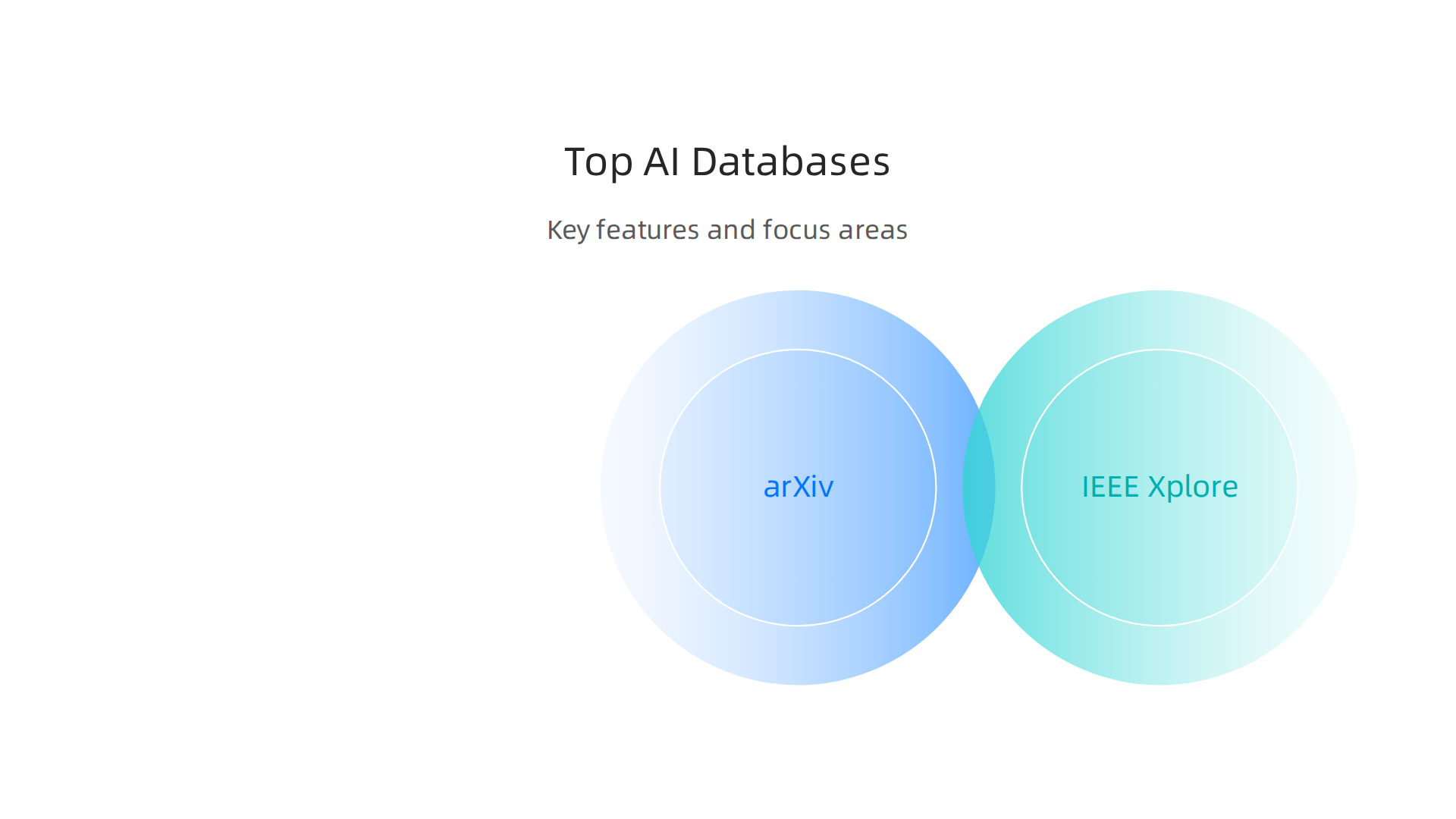
It offers open access to millions of preprints in computer science and AI. That means you can read new ideas months or even years before they reach a journal. The catch? These papers haven’t been peer reviewed yet. So treat findings as early signals, not final answers.
IEEE Xplore and ACM Digital Library work differently. They only include content that has been reviewed by experts. This makes them more reliable for citations and reference lists. IEEE Xplore covers electrical engineering and robotics well. ACM Digital Library focuses on computing and machine learning. Both are highly respected.
Here’s the practical tip: use all three together. Start on arXiv to spot new trends. Then check IEEE and ACM for verified versions of the same research. This cross referencing gives you both speed and quality. If you are new to AI and want to build foundational knowledge first, check out this clear guide to how AI works before diving into research papers.
Open Access Initiatives and Their Impact
The push for open access is changing how quickly you can get your hands on cutting-edge AI research. Funders and institutions now require many researchers to make their work freely available. This means you do not always need a university subscription to read the latest findings.
Repositories like arXiv, bioRxiv, and OpenReview are at the heart of this shift. They let researchers share papers before peer review, which speeds up the whole process. This is huge for an ai engineer or anyone using youlearn ai resources in a region with limited library access. You can now stay current without expensive journal access.

Open access cuts down the time between a discovery and its real world use. If you want to keep finding reliable research, check out this list of top AI websites professionals trust for news and research. And to stay on top of daily AI breakthroughs, subscribe to The AI Newsletter Worth Reading for clear updates right in your inbox.
Mastering AI Research Paper Reading and Synthesis
Even with open access, reading a research paper can feel overwhelming at first. The good news is that reading efficiently is a skill you can learn. A structured approach saves time and helps you actually remember what matters.
Start with the three-pass method. First, skim the title, abstract, and figures to decide if the paper is worth your time.
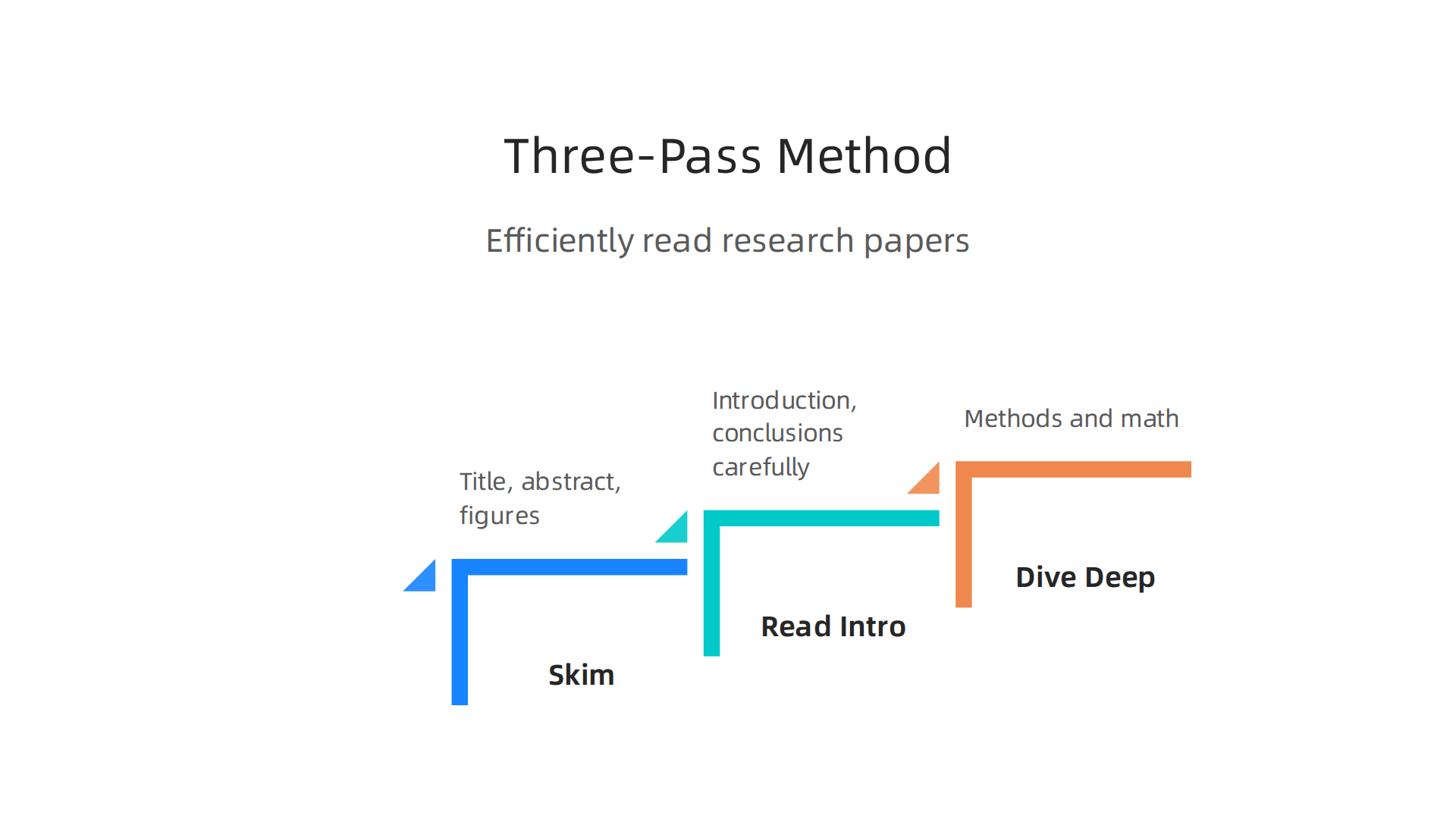
In the second pass, read the introduction and conclusions more carefully. On the third pass, dive into the methods and math. This method is taught in this guide on how to read a machine learning research paper in 2026.
For deeper context, pair your reading with a foundational text. If you are new to the field, why artificial intelligence a modern approach remains essential in 2026 explains how this classic book still helps engineers understand core concepts.
Modern tools like reference managers and AI assistants can also speed up the process. They help you find related work, take notes, and keep everything organized.
Efficient Reading Strategies
A smart way to save time is to filter papers before reading deeply. One widely shared tactic is to start with three questions: What problem does the paper address? What solution do the authors propose? Do I need this information now? If the answer to the last question is no, you can move on without guilt. This question-driven approach is a favorite among experienced AI readers, as discussed in a practical Reddit thread on reading AI research papers. For more ways to stay efficient, you can explore reliable AI research sources that professionals trust.
After choosing a paper worth your time, keep a research journal. Write down a short summary and any questions you still have. This small habit helps you connect ideas across many papers. You can also use digital notebooks or AI assistants to keep everything searchable.
To stay up to date with the most important AI developments and save yourself reading time, consider subscribing to The AI Newsletter Worth Reading. It delivers clear daily insights so you never miss a key trend.
Tools for Managing Citations and Literature
Once you start reading many papers, keeping everything organized becomes important. Reference managers like Zotero, Mendeley, and Paperpile help you store papers, add tags, and create citations automatically. These tools save hours when you are writing your own work.
AI-powered tools also help you discover related research. Semantic Scholar gives you quick summaries of papers. Connected Papers shows you how different studies link together. You can explore these options in a guide to the best AI tools for reading research papers.
A simple system of tags, folders, and short notes makes finding papers later much faster. Spend a few minutes organizing after each reading session. This small habit keeps your research library useful for years.
For a deeper understanding of the foundations behind modern AI, check out why artificial intelligence a modern approach remains essential in 2026. That classic textbook still provides valuable context for the papers you read today.
AI Curriculum and Courseware from Top Universities
The same foundational knowledge from textbooks shapes the curricula at leading schools. Stanford, MIT, and UC Berkeley offer world-class AI courses that set the global standard for AI education. The best part? Many are available online for free.
Stanford’s CS221, MIT’s 6.034, and UC Berkeley’s CS188 all draw on ideas from artificial intelligence a modern approach by russell and norvig. These courses give you the same training that on-campus students receive.
If you are new to the field, start with our guide to artificial intelligence basics before jumping into full university lectures. Then explore a curated list of the best AI courses online for 2026 to find your starting point.
Whether you want to become an ai engineer or simply understand the field better, these courses offer a clear path forward. And to keep up with daily AI developments, The AI Newsletter Worth Reading delivers clear daily updates straight to your inbox.
Stanford, MIT, and UC Berkeley Resources
Let’s look at the specific courses each school offers. These programs are built on the same foundation as artificial intelligence a modern approach by russell and norvig.
At Stanford, CS221 covers core AI topics. CS229 focuses on machine learning. And CS231n dives into computer vision.
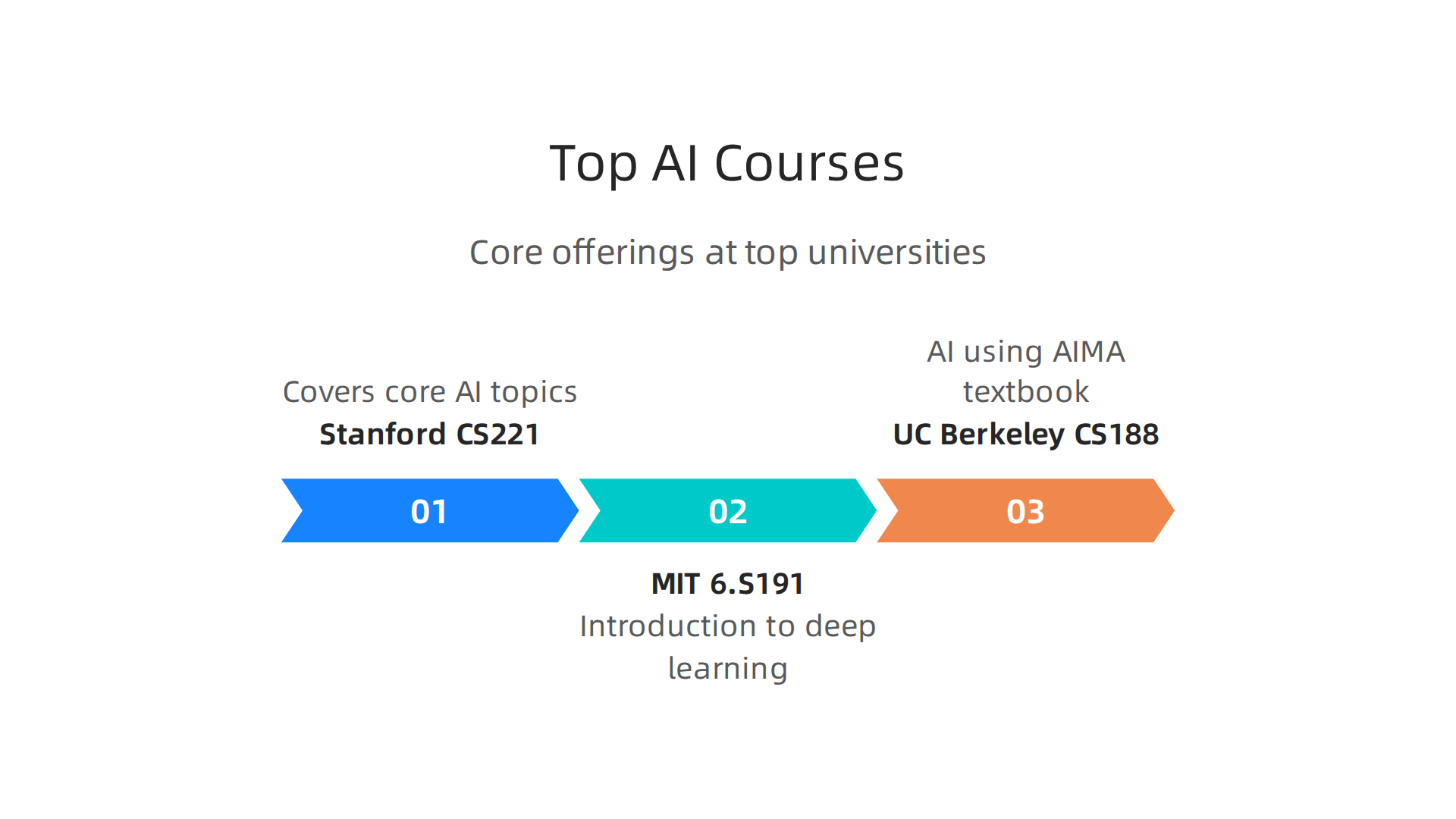
All three are considered flagship courses for anyone training to become an ai engineer.
MIT offers 6.S191 as an introduction to deep learning. Their 6.867 class covers machine learning at a more advanced level. Both are highly popular among students and self-learners.
UC Berkeley runs CS188 and CS189. These two courses use artificial intelligence a modern approach by russell and norvig directly as their main textbook. That makes them a great starting point if you want to learn from the source.
For a full list of options, check out the best AI courses from Stanford and MIT shared by industry professionals. And if you want to understand why this textbook still matters today, read our piece on why artificial intelligence a modern approach remains essential in 2026.
MOOCs and Self-Paced Learning Tracks
Not everyone can attend Stanford or MIT in person. That’s where online platforms like Coursera, edX, and Fast.ai come in. They offer full AI specializations taught by instructors who use artificial intelligence a modern approach by russell and norvig as their core textbook. You can follow the same curriculum at your own pace.
According to a detailed ranking of the best AI courses for 2026, top picks include Andrew Ng’s AI For Everyone on Coursera and the Artificial Intelligence Nanodegree by Peter Norvig and Sebastian Thrun. These self-paced tracks let you balance learning with a full-time job. Plus, verified certificates give you credentials that real employers recognize.
If you’re brand new to AI, reading our artificial intelligence basics guide can give you helpful context before you start a course.
And once you begin your learning journey, staying updated on the latest breakthroughs is key. Get clear daily AI updates from The AI Newsletter Worth Reading to keep your knowledge fresh.
The Future of AI Academic Publishing and Peer Review
The way research gets checked and shared is changing fast. Major conferences now use open review platforms where everyone can see the discussion. This shift makes the whole process more transparent and fair. The Paper Copilot peer review tracking study shows that review criteria now include dimensions like soundness, novelty, and reproducibility.
AI tools also raise new questions. Can a review written by a language model be trusted? Conferences like NeurIPS are running experiments to find out. And interactive papers with live code are becoming the new standard. If you want to know which sources stay reliable through all this change, our guide to top AI websites professionals trust for reliable news and research can help you separate signal from noise.
Open Review and Preprint Culture
Preprint servers like arXiv have become the main way researchers share AI discoveries at high speed. For anyone following the field, these servers are now essential reading. Open review platforms like the OpenReview platform aim to bring transparency to the review process. Conferences such as NeurIPS run active experiments on these platforms, including the NeurIPS 2026 AI-Assisted Reviewing Experiment. Still, open review faces real problems with review quality, as highlighted by the AI conference peer review crisis. The old line between a rough preprint and a final peer reviewed paper has all but disappeared. Tools like Paper Copilot help the community with tracking the evolution of peer review in AI conferences. Learning how this review system works is a big part of understanding modern AI, which is why artificial intelligence a modern approach remains essential in 2026. To keep up with how these rapid changes reshape academic publishing, The AI Newsletter Worth Reading provides a daily, digestible summary.
AI-Generated Research and Integrity
Here’s a tough challenge the research community faces in 2026. Large language models can now write complete, coherent papers that look like real human work. This raises serious questions about authorship and honesty. Conference editors are struggling to detect AI-generated submissions.
The community is actively discussing ways to improve the broken peer review system to handle these AI-written papers. Some conferences now require researchers to disclose any AI tool use in their work. The goal is to keep humans accountable while using AI as a helper, not a replacement. The foundations taught in artificial intelligence a modern approach by russell and norvig help researchers and ai engineers understand the principles needed to use these tools responsibly. Without clear guidelines from publishers, the line between real research and machine output keeps getting blurrier. Following top AI websites professionals trust for reliable news and research helps professionals stay current in this fast-changing environment.
Summary
This guide gives a practical roadmap for staying current in AI by balancing foundational academic resources with the fast pace of modern research. It explains why textbooks like Artificial Intelligence: A Modern Approach remain essential, describes where to find the latest work (arXiv, IEEE Xplore, ACM), and outlines efficient reading and synthesis strategies such as the three‑pass method. You’ll learn how to use citation managers and discovery tools to organize literature, which university courses and MOOCs mirror that foundation, and how open access and changing peer review practices affect reliability. The article also covers new challenges like AI‑generated papers and offers concrete habits—filtering, journaling, and subscribing to focused newsletters—that help professionals keep up without getting overwhelmed.