Introduction: The Creative AI Revolution Is Here
Creative work is changing faster than most people realize.
By 2026, artificial intelligence has become a daily tool for millions of professionals across every creative field. Whether you write, design, record, or produce, AI is already part of your workflow in some way.
The numbers tell the story clearly. According to official government data, 51% of creative businesses now report using AI, compared to just 33% of all businesses across the economy. That is a massive gap. Creative industries are leading the charge.
But here is the challenge. With so many new tools launching every week, it is hard to know what actually works. You hear about producer AI platforms, Creatify AI, Seamless AI, and AI company name generators. But which ones deliver real results? And how do you use them without losing the human touch that makes creative work special?
This article answers those questions. We have gathered ten proven AI use cases backed by real data and expert insights. Each one is designed to help you save time, improve quality, and make smarter decisions about where to invest your energy.
We will cover tools and workflows that actually work in 2026. You will learn how to build a practical AI content workflow that keeps humans in control. If you want the full picture of where all this is heading, our guide to the world of AI in 2026 technologies trends provides helpful context.
And you will walk away with a clear roadmap for using AI without sacrificing your creative voice.
If staying current on these rapid changes matters to you, The AI Newsletter Worth Reading delivers clear daily updates straight to your inbox.
Let us dive in.
1. AI-Powered Video Production and Editing
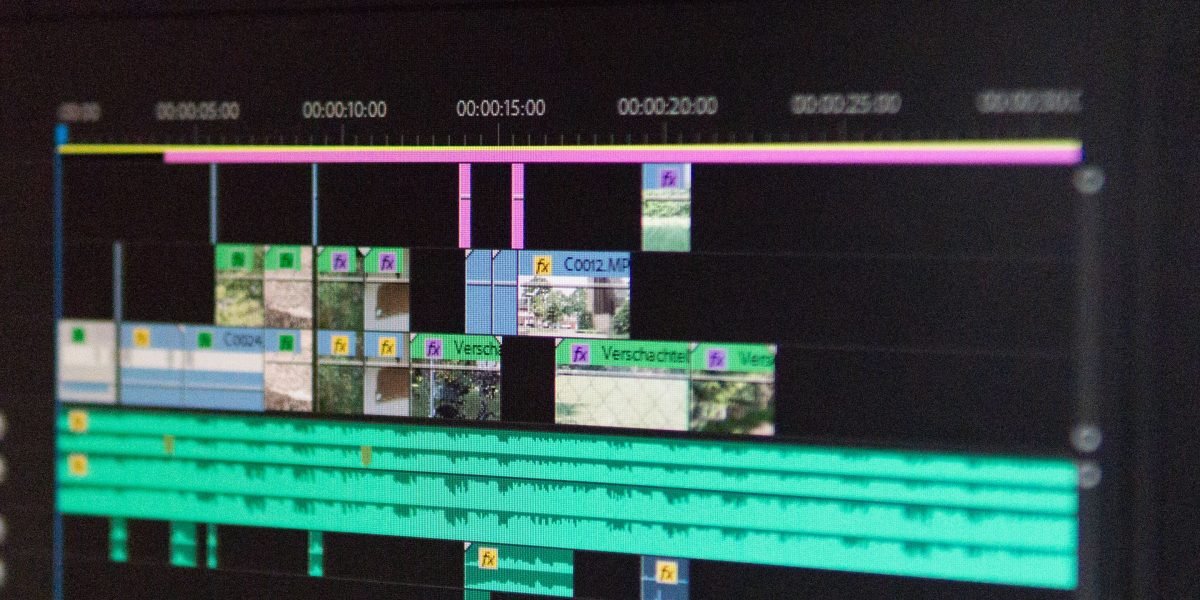
Video editing used to take hours of clicking and tweaking. Not anymore. AI tools now handle the boring, repetitive parts of the job so you can focus on the story.
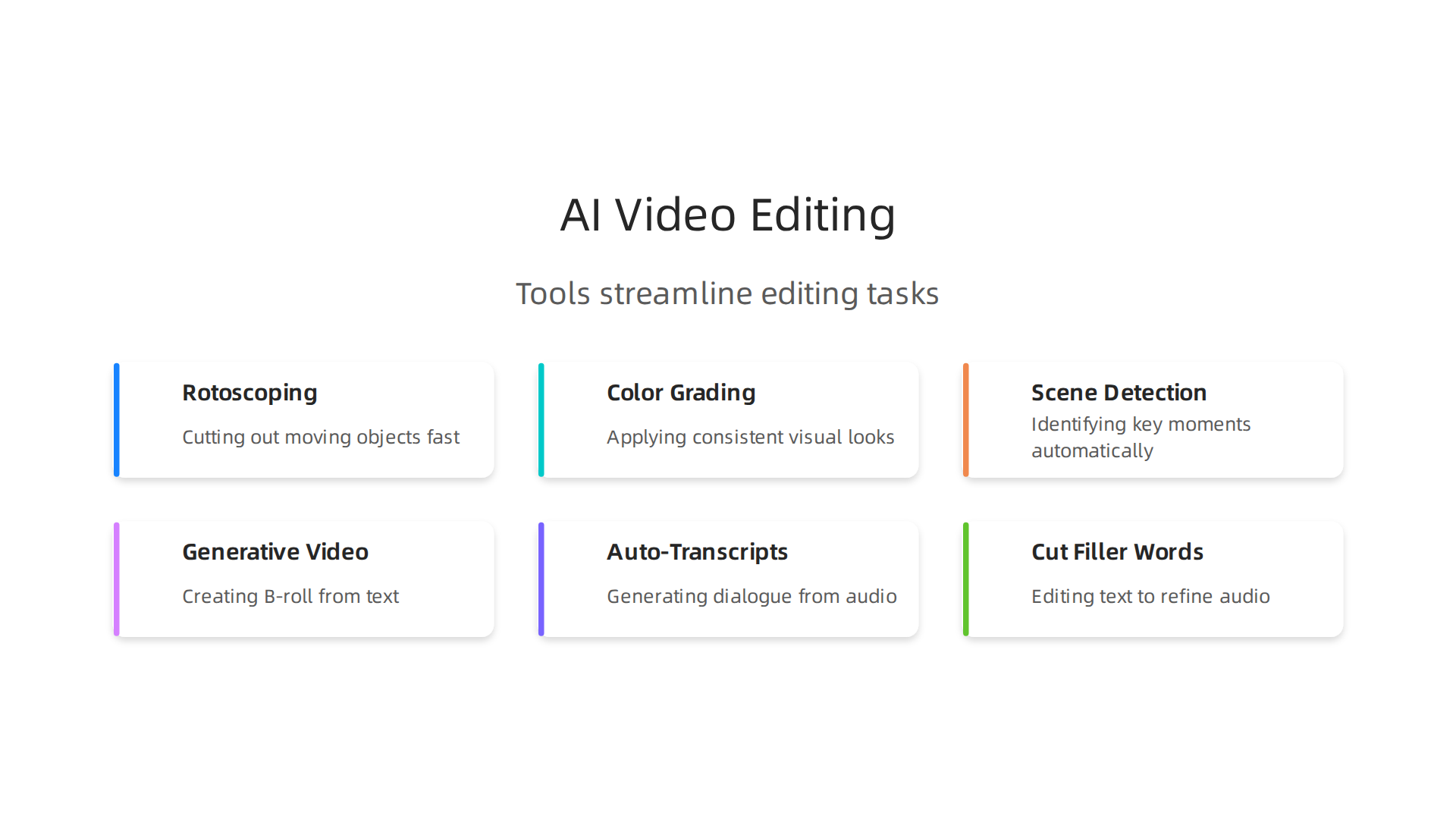
Think about rotoscoping. That is the process of cutting out a moving object frame by frame. It used to be a nightmare. Now AI does it in seconds. The same goes for color grading and scene detection. Many editors report cutting their editing time by up to 50% using these smart tools.
The newest wave of generative video models goes even further. You can type a short text prompt and get B-roll footage, custom backgrounds, or short clips ready to drop into your timeline. No need to film everything from scratch.
Major studios and solo creators are both jumping on this trend. The numbers back it up: a complete guide to AI content creation tools in 2026 shows that editors now use AI to auto-generate transcripts and cut filler words just by editing text.
For producers, this shift is huge. Producer AI platforms are becoming standard gear in many editing bays. Tools like Creatify AI let you create marketing videos from simple prompts, speeding up the whole production pipeline.
If you want to see how AI is changing the visual side of content creation, our guide to how artificial intelligence with images is transforming business in 2026 walks through real examples.
The key is to let AI handle the technical grind while you keep control of the creative choices. That combo saves time and makes your work better.
2. Generative Music Composition & Sound Design
The same principle applies to sound. Just as AI speeds up video editing, it is also transforming how you create music and sound effects. You no longer need a full studio or a big budget to get professional audio.
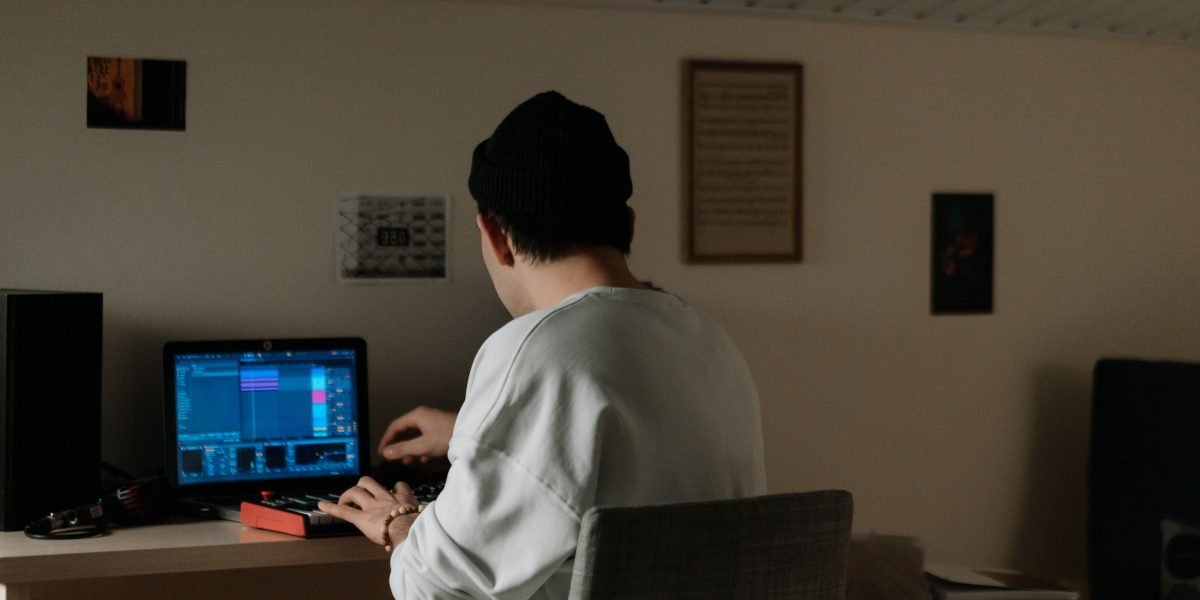
New AI composition tools can generate royalty-free background music in seconds. You simply choose a mood, genre, and duration. The tool produces a track that fits your video, podcast, or game scene. No more digging through endless stock music libraries.
Sound designers are also using AI to create effects from text descriptions. Type "footsteps on gravel at night" or "sci-fi spaceship hum" and the AI generates the audio instantly. This makes rapid prototyping much faster. In fact, according to the AI adoption plan for creative industries from the UK government, 51% of creative businesses now use AI, with film and game studios leading the way.
For producers, these AI composition tools are becoming essential. A producer AI can generate custom soundtracks in minutes, saving hours of searching through royalty-free libraries. This is especially helpful for podcasters, indie filmmakers, and game developers who need quick audio assets.
If you want to stay on top of these fast-moving AI developments, subscribe to The AI Newsletter Worth Reading for daily updates. For a deeper look at how AI is reshaping entertainment, check out our coverage of AI gaming trends in 2026.
The key takeaway: AI handles the technical audio work so you can focus on the creative vision. That same combination of speed and control works just as well for sound as it does for video.
3. Automated Writing Assistants for Long-Form Content
The same principle of speed and creative control now applies to writing. AI writing assistants have matured fast. They can handle research outlines, first drafts, and even multilingual translations with output that reads like a human wrote it.
Marketing teams use these tools every day to generate blog posts, white papers, and social media copy at scale.
The key difference between bad and good writing is still human judgment. AI gives you a solid first pass. You then edit, fact-check, and add your unique voice. That human-AI collaboration saves 30 to 50 percent of drafting time. According to the AI Adoption Statistics for 2026, 62 percent of marketers cite content creation as their leading use case for AI, and 92 percent of content creators have already used generative AI.
A producer AI approach works here too. Just as a producer AI can generate music tracks in seconds, a writing assistant drafts your article, newsletter, or report in a fraction of the time. Tools like Creatify AI, Seamless AI, and even an AI company names generator can help you brainstorm, outline, and polish content without starting from scratch.
The goal is not to replace writers. It is to free them from repetitive work so they can focus on strategy, storytelling, and accuracy. For a deeper look at how these tools work behind the scenes, check out our guide on how artificial intelligence works in everyday life.
Bottom line: writing with an AI assistant is like having a smart partner who handles the heavy lifting while you stay the creative lead.
4. AI Graphic Design and Brand Asset Generation
The same producer AI idea that speeds up music and writing now applies to visuals. Text-to-image models let you go from idea to mockup in seconds. Instead of waiting days for a first draft from a designer, you generate multiple options in minutes. This changes how teams work.
Say you need a new logo. AI tools now handle logo creation, pull brand colors from an existing design, and even build social media templates that match your brand guidelines. You no longer need to start from scratch every time. For a full list of tools that do this, check out the Top 12 AI Graphic Design Tools for 2026.
Enterprise teams take this further. They use AI to produce localized campaign versions for global markets. A single brand asset gets adapted for different languages, cultures, and platforms without redesigning everything manually. This saves huge amounts of time and keeps brand consistency intact.
The producer AI approach applies here too. Just as a producer AI handles the heavy lifting in the studio, a design AI handles the repetitive visual work. You stay in control of the creative direction while the tool handles the grunt work. If you want to dig deeper into how these image models work, read our article on AI image generation market trends.
Bottom line: AI graphic design tools turn you into a faster, more flexible creator. They handle the boring parts so you can focus on the big picture. And to keep up with the latest tools and trends, consider subscribing to The AI Newsletter Worth Reading for clear daily updates.
5. Voice Synthesis and Cloning for Audio Content
Now imagine your voice could be the narrator for an entire audiobook, even while you sleep. That is what AI voice cloning makes possible in 2026. The technology creates synthetic narrators that sound nearly identical to a human voice. You might hear one in a podcast ad, a language learning app, or a corporate training video and never know it was generated by AI.
The producer AI approach works the same way here as it does with images and music. You provide a short voice sample, and the tool learns the tone, pitch, cadence, and emotion. Then it can read any script in that voice. This changes how audio content gets made. A small team can produce a full audiobook series without booking a voice actor for weeks. A marketing department can create localized ad versions in multiple languages using the same cloned voice.
Leading platforms now include ethical safeguards. Consent from the original voice owner is required before cloning. Voice rights stay clear, and many tools add watermarks or digital signatures to prevent misuse. These protections matter because the technology is powerful.
Real-time voice conversion adds another layer. A content creator can switch their accent, gender, or emotional tone during a live stream or recording. This flexibility helps tailor content for different audiences without re-recording.
If you want to understand the basics of how these AI systems work under the hood, check out our clear guide to how AI works in everyday life. It explains the core ideas that power voice synthesis and every other producer AI tool we have covered.
6. Personalized Content at Scale Using AI
Voice cloning is just one example of how producer AI tailors audio. But in 2026, this personalization goes far beyond sound. AI now transforms entire messages to fit each viewer. Imagine opening an email where the subject line includes your name, or watching a video ad that mentions your city.
This works through dynamic content adaptation. A powerful producer AI looks at user data like browsing history or past purchases.
Then it builds custom emails, landing pages, and video clips on the fly. It also handles A/B testing on its own. Instead of a human guessing which headline works better, the AI runs thousands of tiny tests automatically. It learns what works and applies those winning variations instantly.
Personalized video content takes this to the next level. The AI inserts the viewer’s name, their preferences, or even a product they viewed directly into the video narrative. These custom videos drive much higher engagement and conversion rates. To create these personalized assets, marketers rely on a stack of advanced tools, including the Best AI graphic Design tools in 2026.
The result is content that feels tailor-made for each person. This scale was impossible before, but AI makes it fast and affordable. If you want to learn how to apply these strategies to your own business, our guide on how to use AI to drive business growth is a great place to start.
Staying on top of these fast-moving AI tools is a challenge. Newsletters like The Deep View provide clear daily updates on the most important trends. It is a go-to resource for professionals who want to cut through the noise. If you want to keep learning, consider subscribing to The AI Newsletter Worth Reading for clear daily insights.
7. AI in Post-Production: Visual Effects and Color Grading
While AI transforms how we create and personalize content, it is also revolutionizing what happens after the camera stops rolling. Post-production used to be a slow, expensive process. In 2026, that has changed dramatically.
AI now handles many of the tedious tasks that took editors hours or days. For example, removing an unwanted object from a scene used to require frame-by-frame rotoscoping. Today, AI inpainting tools can erase wires, boom mics, or even entire background elements with a single click. These tools automatically preserve perspective, texture, and lighting. The same technology also upscales low-resolution footage to crisp 4K or 8K, and it can generate realistic visual effects from a simple text description. As highlighted in the latest coverage of AI in Post Production, this smart cleanup and VFX generation are becoming standard.
Color grading has also gotten smarter. AI analyzes every shot in your timeline, understands the lighting and mood, and applies consistent color looks across your entire project. This means no more manually matching shots. The AI handles it in seconds. This is a huge time saver for editors at any level.
The best part? These tools are no longer just for big studios with huge budgets. Independent filmmakers and solo creators now have access to the same power. Adobe Firefly, for instance, has been used in real Sundance films to create hybrid live-action and AI visuals on a small budget. More and more creators are exploring these capabilities through the latest AI image generation market trends in 2026.
In short, a good producer AI now handles visual cleanup and color correction automatically, freeing you to focus on the story.
8. Interactive Storytelling and AI-Generated Narratives
Think about your favorite video game. What if the story changed based on every choice you made, and the dialogue felt unique to you every time you played? That is the promise of interactive storytelling powered by AI in 2026.
Today, a producer AI can manage entire branching narratives in real time. Instead of writers scripting thousands of lines for every possible path, generative models create dialogue and plot twists on the fly. Each playthrough becomes a one-of-a-kind experience. This technology is already being used in gaming and interactive films to deepen player engagement. According to recent analysis of the AI in the VFX industry 2026 outlook, the gaming sector is adopting real-time rendering and procedural generation to improve gameplay visuals and narrative depth.
Generative dialogue systems are another breakthrough. Characters no longer repeat the same lines. With the help of seamless AI integration, they respond naturally to your actions, creating conversation that feels alive. This makes game worlds feel more immersive and personal.
Brands are also jumping in. Companies now create interactive marketing campaigns where the story adapts to viewer choices. These experiences build stronger emotional connections. Some brands use creatify AI tools to generate personalized ad narratives that change based on user preferences.
If you want to stay on top of these rapid changes in AI and storytelling, it helps to have a trusted source of daily updates. That is why professionals turn to The AI Newsletter Worth Reading for clear, actionable insights every day.
For more on how AI is reshaping entertainment, check out our guide on AI gaming trends in 2026.
9. AI for Marketing Copy, Ads, and A/B Testing
Creating effective ad copy used to take hours of brainstorming, writing, and testing. You would run one version, wait for data, then tweak it again. That slow process costs time and money.
In 2026, a producer AI changes everything. These tools generate dozens of ad copy variations in seconds. They write headlines, body text, and calls to action that speak directly to your target audience. No more guessing what might work. The AI uses real data to craft messages that resonate. According to a recent analysis of marketing and AI predictions for 2026, brands that blend generative AI with human strategy are outperforming those that rely on manual methods alone.
Predictive analytics take this a step further. Before you spend a single dollar on a campaign, AI tools can predict which creative assets will perform best. This means you invest your budget in winners instead of testing losers in the market. Some tools even integrate directly with ad platforms to automate bid adjustments based on creative performance. When an ad is working, the system increases its budget automatically. When it is not, it pulls back.
If you want to understand how to apply these tools to your own business, our guide on using AI to drive business growth walks through real world examples.
The result? Faster campaigns, better results, and a whole lot less guesswork.

10. Ethical AI and Responsible Content Generation
But all that speed and power comes with a serious catch. A producer AI can accidentally generate biased, misleading, or even copyrighted material. Without careful guardrails, your marketing gains could turn into reputation risks.
So what does responsible content generation look like in 2026?
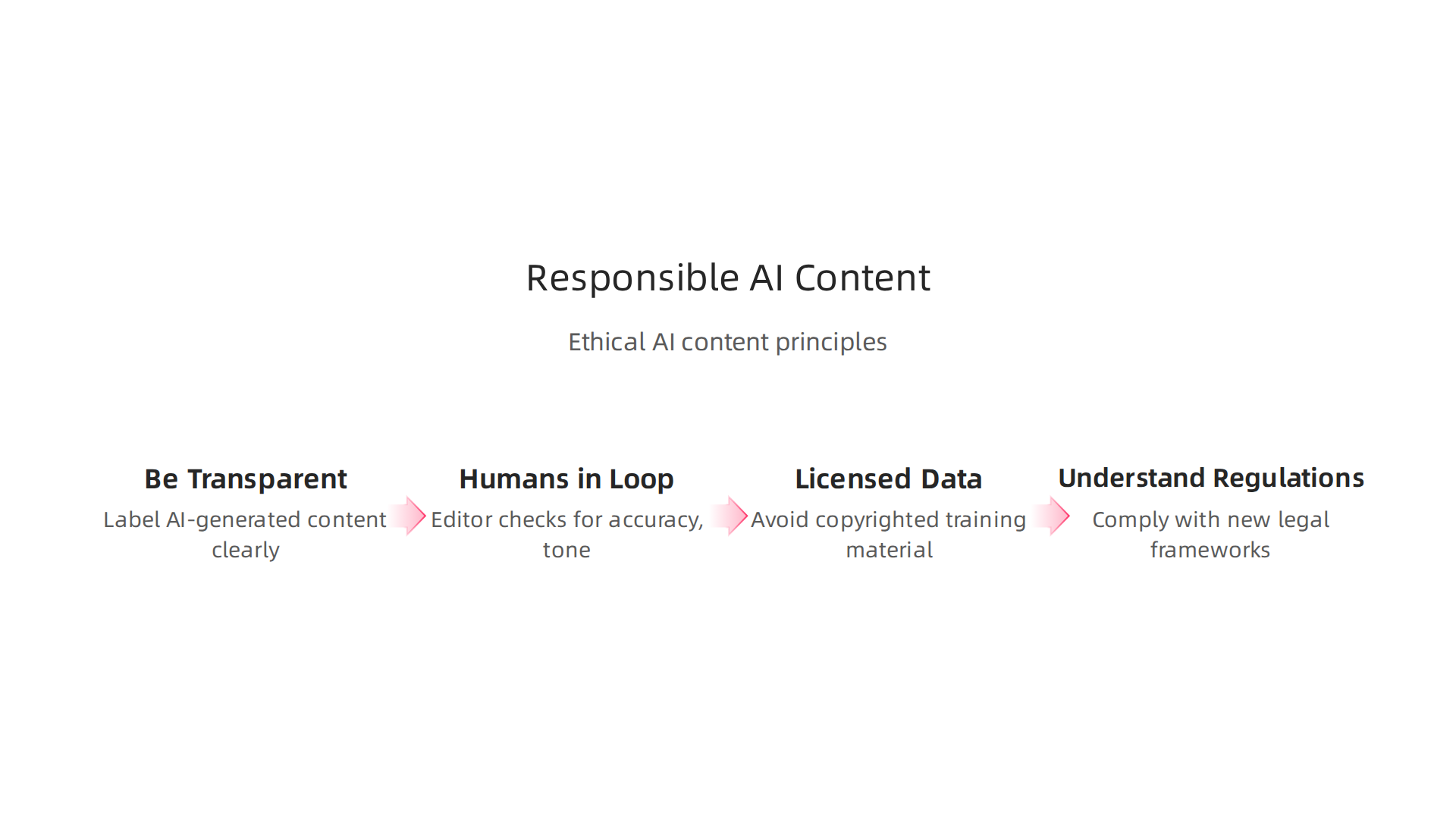
First, always be transparent. Label your AI-generated content clearly. Let your audience know when a machine helped create something. Honesty builds trust.
Second, keep humans in the loop. AI drafts should never go straight to publish. A human editor must check for factual accuracy, tone, and brand safety. This is especially important when using tools like Creatify AI or Seamless AI that generate large volumes of content fast. Without oversight, as PwC highlights in their AI business predictions for 2026, responsible AI moves from talk to real traction only when companies embed governance into every workflow.
Third, use licensed training data and avoid copyrighted material. Many legal battles in 2026 revolve around AI models trained on unlicensed work. Stick with tools that respect intellectual property.
New regulations like the EU AI Act are also shaping how creative AI tools must operate. Compliance is no longer optional. Understanding these rules is part of staying competitive.
For a broader look at how these trends fit into the bigger picture, check out our overview of the world of AI in 2026.
If you want to stay on top of responsible AI developments and best practices daily, consider subscribing to The AI Newsletter Worth Reading. It delivers clear, actionable updates straight to your inbox.
Summary
This article maps ten practical AI use cases that are reshaping creative work in 2026, from video and sound to writing, design, voice cloning, personalization, post‑production, interactive storytelling, and marketing. It explains how modern