

Why ‘Incredible Technologies’ Matter Now — and How to Separate Signal from Noise
Have you ever felt lost in a sea of new gadgets and software? It seems like every day, there’s a new "must-have" tool or a fresh way to do things. These incredible technologies promise to make life and business better. But with so many options, how do you pick the right ones?
In 2026, new technology is popping up faster than ever before. It’s a bit like trying to drink from a firehose! Companies are already using a lot of AI. For example, worker access to AI went up by 50% in 2025 alone, and many companies want to use even more, very quickly, according to the State of AI in the Enterprise – 2026 AI report. This rush means a lot of noise. It’s hard to tell which technologies will truly help and which are just passing fads. Many businesses are trying out AI, but only a small part of them are seeing big money benefits from it, as shown in the Deloitte-HKU AI Adoption Index 2026 The Paradox of Promise and ….
You need a clear way to see through all this. You want to know which software or tools are actually worth your time and money.

Perhaps you’re looking at things like ‘shine technologies’ that make processes smoother, or ‘listen technologies’ that help gather important information. It’s tough to make smart plans for your business when there’s so much to learn about these incredible technologies.
We get it. You’re looking for real answers, not just more buzzwords. That’s why this article will give you a simple, trustworthy way to look at new technologies. We’ll help you figure out what’s truly useful, find good companies that offer these solutions, and make smart plans to use them in your business. It’s about learning how to framing tech turn information overload into strategic business insight so you can also how to identify key tech entities and evaluate them effectively.
To help you stay on top of the rapidly changing world of AI and other emerging tech, we suggest subscribing to The AI Newsletter Worth Reading. It gives clear, daily updates right to your inbox.
To truly understand which incredible technologies are making a real difference, we need to look at the bigger picture.

It’s like finding the strongest currents in a wide ocean instead of just watching individual waves. This means we look at "macro trends" or large patterns that show where a lot of money and effort are going. These patterns tell us which new tools are getting real traction and are likely to stick around.
Markets and Sectors Driving Investment in New Technologies
Many different types of businesses are putting their money and time into new tech. For example, in 2026, industries like financial services, telecommunications, and manufacturing are among the top groups using advanced AI tools. Reports show that more than 4 out of 10 IT experts in these fields are bringing in powerful generative AI, which helps create new content or solutions IBM Global AI Adoption Index Enterprise Report. In the UK, finance and insurance companies lead with 62% adoption of new technologies, showing a clear move toward tools that could be considered ‘shine technologies’ because they streamline operations and improve service Insights from the UK Innovation Diffusion & AdoptionSurvey. Even in retail and automotive, companies are trying out these advanced systems.
When we see many big companies and whole sectors investing, it’s a strong sign that these incredible technologies are not just fads. They are becoming important parts of how businesses work. This gives us clues about which tech areas are truly growing.
How to Read Adoption Curves, Vendor Funding, and Deployment Case Counts
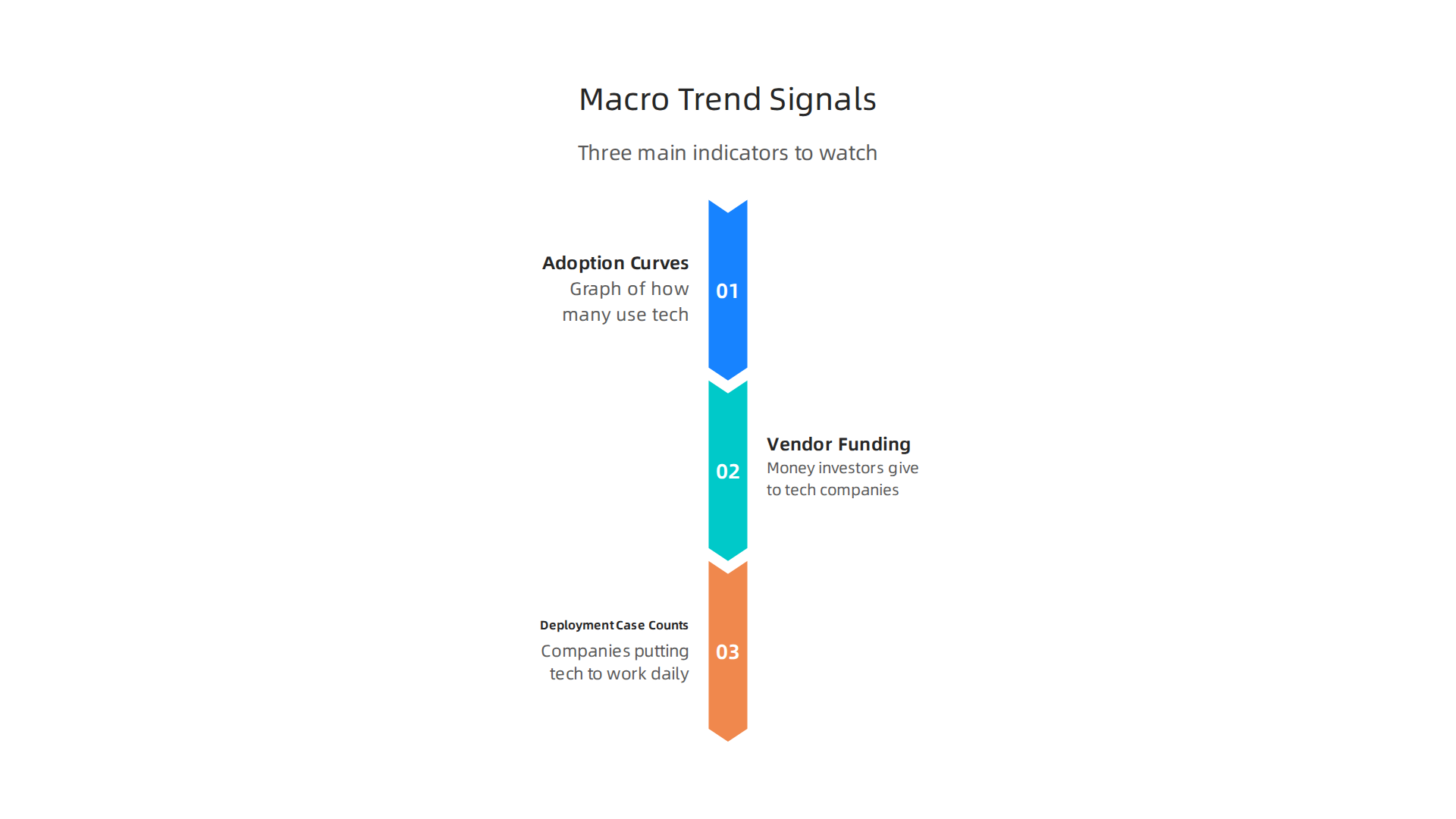
To spot which incredible technologies are truly maturing, we watch three main things:
-
Adoption Curves: Think of this as a graph showing how many people or businesses start using a new technology over time. When a technology is new, only a few daring companies try it out. This is the early part of the curve. If it’s truly useful, more and more businesses start to use it, and the curve goes up fast. A technology that is widely adopted, like many AI tools today, shows that businesses trust it and find it valuable. Looking at how companies use new tools can help you learn how to mastering computing innovation for business success in 2026.
-
Vendor Funding: This means how much money investors are giving to companies that create these new technologies. When investors pour millions of dollars into a company, it usually means they believe that company’s ‘alpha technology’ or innovative solutions will do well. In 2026, companies are planning to invest a lot in new tech, with an average of US$186 million expected to be spent over the next year Global AI Pulse Q1 2026 – KPMG agentic corporate services. High funding shows there’s strong belief in a technology’s future.
-
Deployment Case Counts: This is about how many companies are actually putting these technologies to work in their daily business, not just trying them out. It’s one thing to run a small test, but it’s another to use a technology across a whole company. For example, 8 out of 10 companies are now using or adding generative AI and large language models into their main products and operations The State of AI Adoption 2025. High deployment numbers tell us that these tools, perhaps like new ‘listen technologies’ that help gather customer feedback or ‘aston technologies’ that boost manufacturing, are becoming truly operational and reliable.
By watching these macro trends, you can get a clearer picture of which incredible technologies are gaining real power in the market. This helps you make smarter choices for your own business.
Finding out which incredible technologies are truly powerful is only the first step. The next is figuring out if they are the right fit for your business.

This is where a clear plan, or "evaluation framework," comes in handy. It helps you look at new tech in a smart, step-by-step way. This way, you don’t just pick something because it’s new or shiny, but because it will genuinely help your company.
A Practical Evaluation Framework: Tech, Use Case Fit, TCO, and Vendor Viability
To make smart choices about new technologies, you need a way to check them. Think of it like a checklist for shopping for a very important tool. Experts in 2026 agree that defining clear rules before you start helps a lot Evaluating Vendors in 2026: Tools, Criteria & Common Mistakes. Here are the main things to look at:
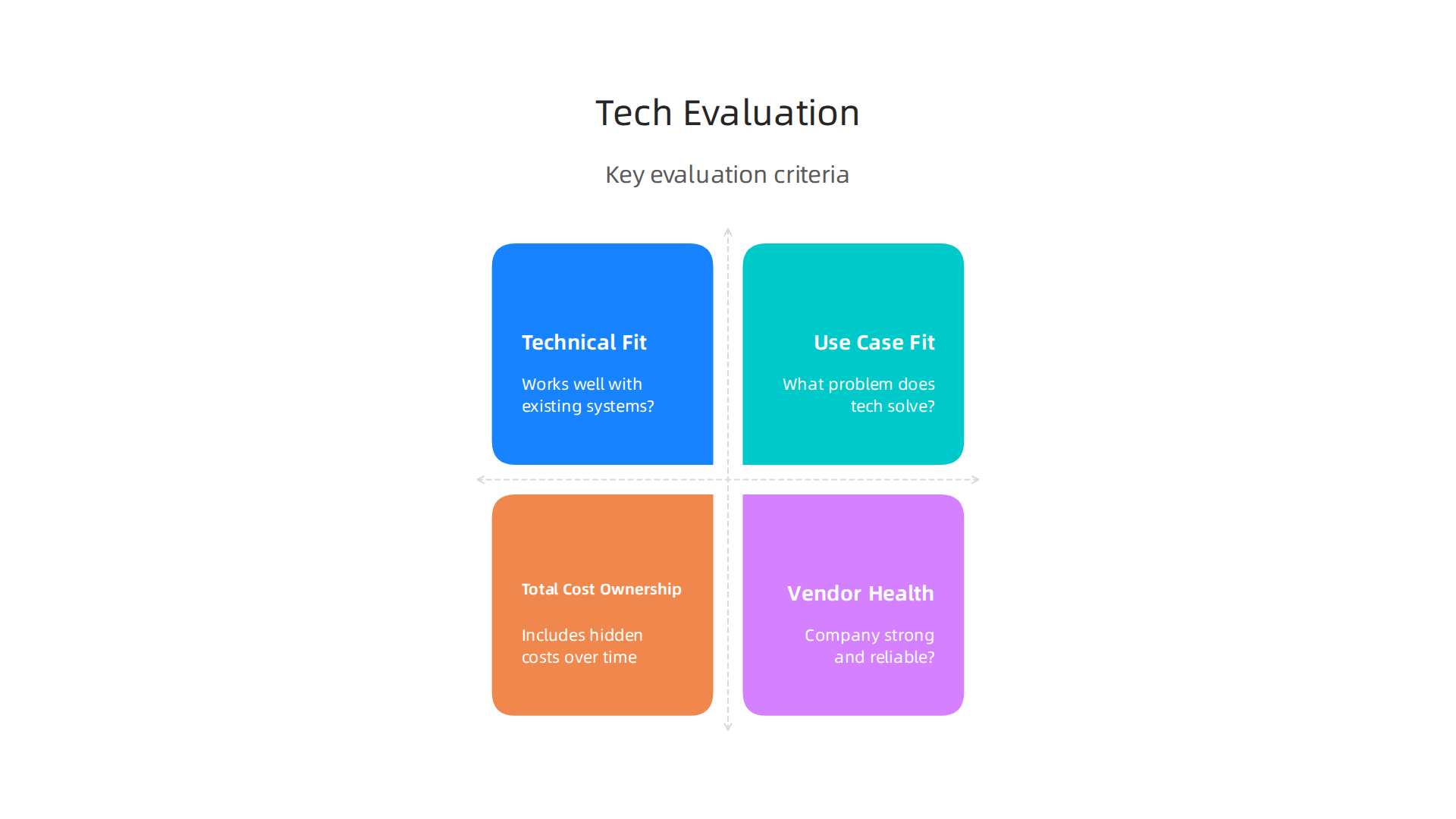
- Technical Fit: Does the new technology work well with the systems you already have? It’s like making sure a new puzzle piece fits perfectly into your existing puzzle. If it causes more problems than it solves, it might not be the right "alpha technology" for you. This also includes thinking about how hard it will be to put the new tech into your current setup.
- Use Case Fit and Measurable Benefits: This is about asking, "What problem does this technology solve for us, and how will we know it’s working?" You need to see clear proof that the technology will bring good things, like saving money, making things faster, or helping customers more. For example, a "shine technology" might cut down on wasted materials, or an "aston technology" could make your customer service much better. You should define your needs before looking at any vendors Vendor Selection Criteria: A 2026 Strategic Framework.
- Total Cost of Ownership (TCO): The price tag of a new technology is not just what you pay upfront. It also includes all the hidden costs over time. This can be things like maintenance, training your staff, fixing problems, and making sure it stays updated. Always look at the full cost picture, not just the first price you see.
- Vendor Health: Who is selling you this incredible technology? Is their company strong and reliable? Will they be around to help you if something goes wrong later? You want a vendor that has good support and a stable business. This makes sure you’re not left alone if you need help with your new tool.
Decision Templates and Scoring Factors to Compare Vendors Fairly
To compare different companies offering similar incredible technologies, it helps to use "scorecards" or special templates. These tools let you rank each vendor based on the important points above. A good scorecard lists all the criteria you care about, like cost, how easy it is to use, and how good their support is Vendor Scorecard Templates: Build a System Procurement.
Here’s how it usually works:
- Set Your Rules Early: Before you even talk to vendors, decide what matters most to you. Give each part of your checklist a "weight" or importance score. For example, technical fit might be more important than a small price difference. These weights should be fixed for everyone evaluating, so it’s fair Vendor Scorecard Template: Weighted Scoring & Best Practices.
- Rate Each Vendor: Give each vendor a score for how well they meet your criteria. You might use a simple scale, like 1 to 5.
- Add Up the Scores: Multiply each score by its importance weight to get a total. This helps you see which vendor truly offers the best overall value for your needs.
Using a framework like this helps you make smart, clear choices. It takes the guesswork out of picking new tools and makes sure you invest in technologies that truly benefit your business for a long time. If you want to dive deeper into how to pick the best companies, learn more about how to identify key tech entities and evaluate them effectively.
Staying on top of the latest tech trends and knowing how to evaluate them can be a full-time job. For daily, clear insights into what’s happening in AI and other fast-moving areas, consider signing up.
The AI Newsletter Worth Reading
Now that you have a good plan for checking new tools, the next big step is knowing which "incredible technologies" are even worth looking at. In 2026, many new things come out, but only some will truly help your business grow. It’s important to know the difference between something that’s just exciting and something that will be a long-term winner.
Experts agree that certain areas are showing huge returns for businesses. These are the "alpha technology" areas that are changing how we work. A report from Futurum shows that businesses are now looking at how AI helps their bottom line, not just how it makes things faster. Agentic AI, which is like smart computer helpers, grew by over 30% in importance for IT leaders in 2026 Enterprise AI ROI Shifts as Agentic Priorities Surge – Futurum.
Here are the top types of incredible technologies you should keep an eye on:
-
Artificial Intelligence (AI) and Machine Learning: AI continues to be a game-changer. It’s not just about making things smarter; it’s about making them much better.
- Generative AI: This is like a creative assistant. It can write reports, create pictures, or even help design new products. Many businesses see quick benefits from using generative AI for simple tasks.
- Agentic AI: Think of this as AI that can plan and act on its own to reach a goal, like managing complex projects or handling customer service. This kind of "aston technology" is quickly becoming a top focus for big companies. It really helps improve how businesses run. A Deloitte report in 2026 shared that two-thirds of companies using enterprise AI saw big gains in how productive and efficient they were The State of AI in the Enterprise – 2026 AI report | Deloitte US.
To learn more about how these smart systems work, check out our guide on the World of AI in 2026: Technologies, Trends, and What Comes Next.
-
Cybersecurity Solutions: As more of our work moves online, keeping our information safe is more important than ever. New cybersecurity tools are constantly being developed to protect against ever-smarter threats. These "shine technologies" make sure your business stays safe from harm, protecting your data and your customers.
-
Cloud and Edge Computing: These are like the backbone for almost all other new technologies. Cloud computing lets you store and access data and programs over the internet instead of on your own computer. Edge computing brings that power closer to where the data is made, like on factory floors or in smart cities. This helps things run faster and smoother. Companies are seeing real money saved by moving to these kinds of systems. For example, a Nokia study found that many businesses using private wireless and on-premise edge systems saw their money back in just one year Nokia study reveals surge of ROI and AI-enabled use cases with on ….
What Makes a Technology a Long-Term Winner?
Not every exciting new tool will last. To pick the real winners, you need to look beyond the hype. A truly impactful "alpha technology" will do a few key things:
- Solve Real Problems: It should fix a clear problem your business has, not just be a cool gadget.
- Show Clear Value: You need to be able to measure how it helps, whether by saving money, making tasks faster, or improving customer happiness. Reports from KPMG in 2026 highlight that the return on investment (ROI) for tech depends a lot on how ready a company is and how well they manage its use KPMG 2026 Global Tech Report.
- Fit Your Needs: It needs to work well with your existing systems and be easy for your team to use and manage.
- Come from a Strong Vendor: A good company behind the technology means you’ll get support and updates for a long time.
True "listen technologies" help you understand your business and customers better, allowing you to make smarter choices for the future. You can discover more about the promising new areas of technology that are changing businesses by reading about R&D Technology Trends 2026: Reshaping AI, Quantum, Cybersecurity, and Biotech.
After you know which "incredible technologies" are worth your time, the next step is to find the right people or companies to provide them.

This means mapping out who can help you get, set up, and manage these new tools. Picking the right partners is just as important as picking the right technology itself for long-term success.
There are different kinds of helpers when it comes to technology. Knowing who does what can make your choices much easier.
Types of Technology Providers
Think of technology providers like different stores or services you might use.
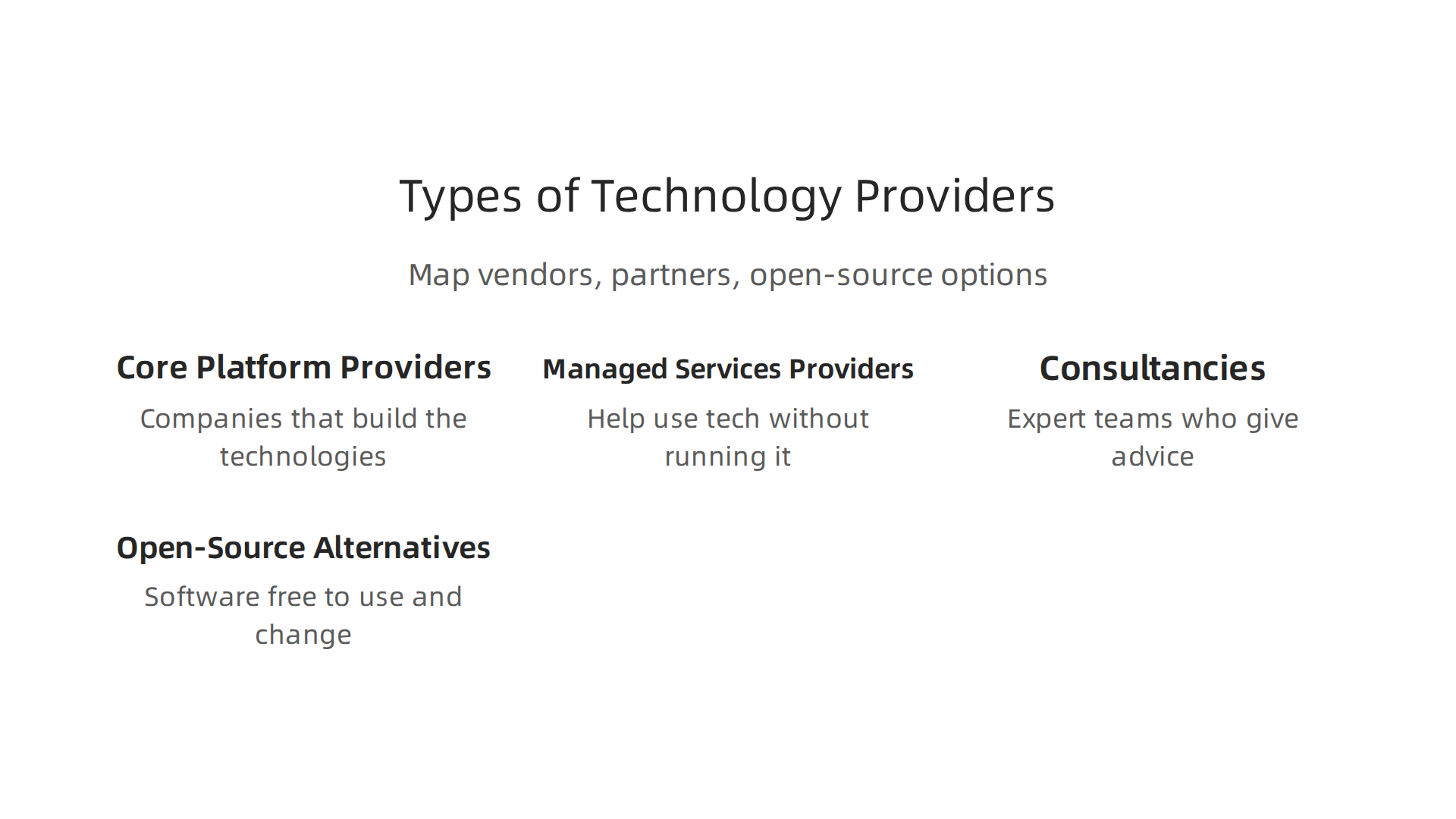
- Core Platform Providers: These are the companies that actually build the "shine technologies" you want to use. For example, a company that makes an AI software or a new cybersecurity system. They are the inventors and main developers.
- Managed Services Providers: These companies help you use the technology without you having to run it yourself. They manage the system, keep it updated, and fix problems. It’s like having someone else take care of your car’s maintenance. They often work with different "aston technologies" and make them easier for you.
- Consultancies: These are expert teams who give advice. They can help you figure out which technology is best for your business, how to use it, and how to get the most value from it. They don’t usually build the tech, but they help you make smart choices.
- Open-Source Alternatives (OSS): This means software or tools that are free to use and change. Many people work on them together. While they don’t have one company "owning" them, there are often communities and companies that offer support or services for open-source tools. Sometimes, these are also incredible technologies that you can use without high costs.
How to Pick the Right Provider
Choosing a provider is a bit like hiring someone important. You need to do your homework. This is called "supplier diligence." It helps you find reliable partners and avoid problems later. A good checklist will cover several key areas to make sure your choice is a long-term winner. For a practical look at what to check, see this IT Vendor Due Diligence: A Practical Process and Checklist.
Here’s what to look at:
- Contracts and Service Level Agreements (SLAs): What does the contract say? An SLA is a promise about how well the service will work. It should say things like how much uptime you can expect (how often the service is working) and how quickly they will fix issues. Make sure you understand these promises clearly.
- Data Policies: How will they handle your company’s important information? You need to know that your data will be safe and used correctly. This is very important for cybersecurity and keeping your business secure.
- Integration Capabilities: Will the new technology play well with the systems you already have? You want new tools to fit smoothly into your existing workflow, not create more work. This includes checking for things like APIs that let different programs talk to each other, and if it can connect to your customer or employee systems Software Vendor Due Diligence Checklist.
- Company Health and Support: Is the company financially stable? Will they be around for a long time to keep supporting their "alpha technology"? Also, how good is their customer support? You want quick help if something goes wrong. To learn more about identifying strong tech partners, read our guide on how to identify key tech entities and evaluate them effectively.
By carefully checking these things, you can be confident that you’re choosing the right providers for your "incredible technologies." This careful planning turns new tech into a true "listen technology" that brings real value to your business.
Ready to dive deeper into the world of AI and technology trends that could impact your vendor choices?
Get clear daily AI updates from The AI Newsletter Worth Reading.
Choosing the right technology providers is only half the battle. The next big step is putting those incredible technologies to work in your business. This means having a clear plan for how to try them out, grow their use, help people adapt, and see if they are truly helping. We call this an "Adoption Playbook." It’s your guide to making sure new tech brings real value.
Practical Pilot Design
Before you launch any new "shine technologies" across your whole company, it’s smart to do a small test first. This is called a pilot. A good pilot helps you see how the technology works in real life, find any problems, and make sure it’s the right fit.
Here’s how to design a practical pilot:
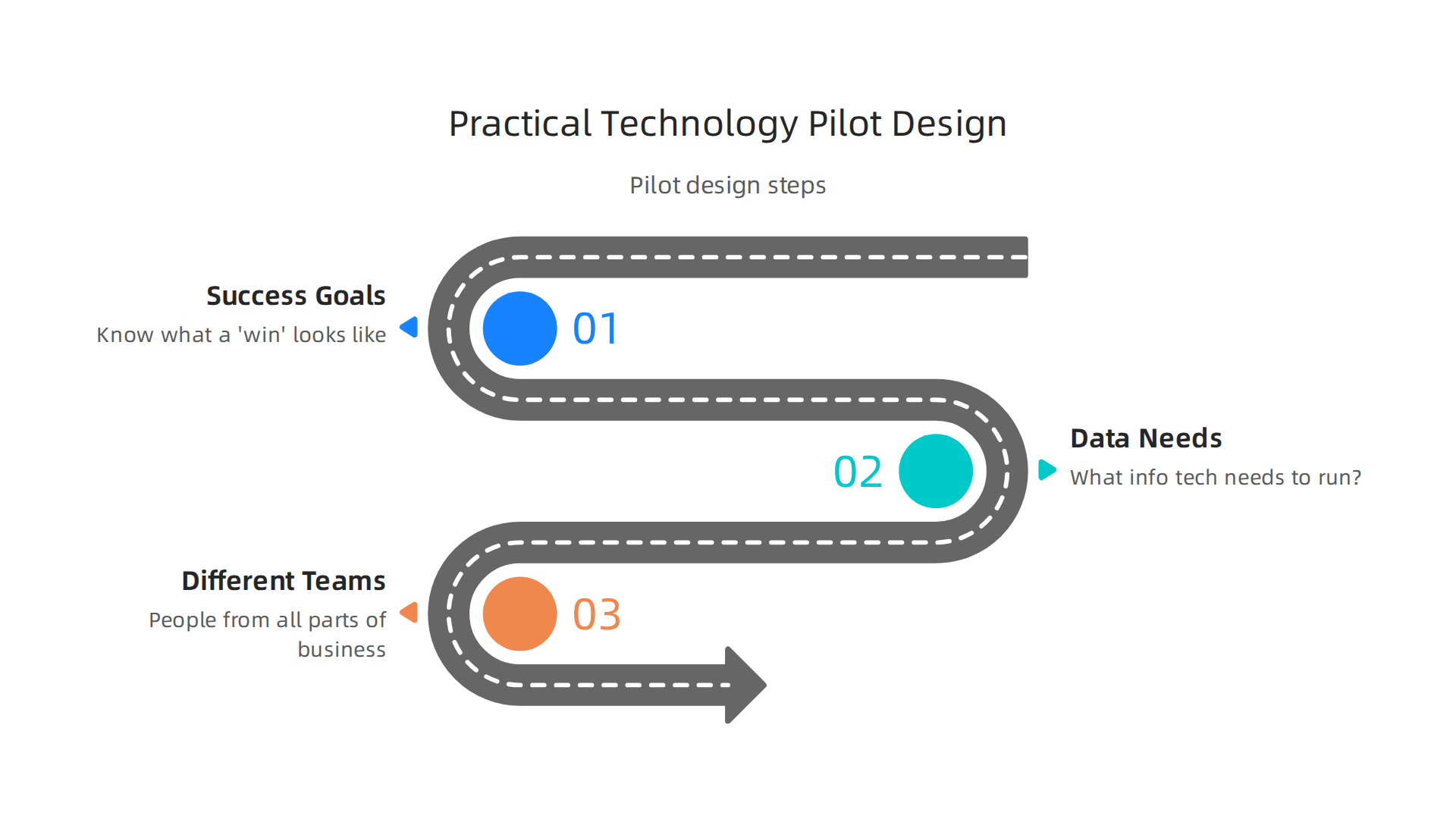
- Set Clear Success Goals: You need to know what a "win" looks like. These are often called Key Performance Indicators (KPIs). For example, if it’s a new customer service tool, a KPI could be "shorter wait times for customers" or "faster problem solving." Make sure you define these goals before the pilot starts. It is helpful to design your pilot with clear "go" or "no-go" KPIs from the beginning to know if it’s working or not according to experts in vendor evaluation frameworks Vendor Evaluation Framework Guide.
- Know Your Data Needs: What information will the new technology need to run? And what data will it create? Make sure you have a plan to gather, clean, and use this data for the pilot. Good data helps you measure those success goals accurately.
- Include Different Teams: Technology isn’t just for the tech department. For a pilot to truly work, you need people from all parts of your business who will use or be affected by the new tool. This might include people from sales, marketing, finance, and operations. Having a team with different viewpoints helps get the best results, as a cross-functional evaluation team ensures a balanced view Supplier Evaluation & Selection: 10-Criteria Framework (2026).
Scaling Playbook
If your pilot is a success, the next step is to grow or "scale" the use of these incredible technologies throughout your business. This means moving from a small test to a much wider rollout.
- Automate Everything You Can: As you scale, many tasks become repetitive. Using automation can help your "aston technologies" handle more work without needing endless human effort. This makes the rollout smoother and more efficient.
- Prepare Your Tech Teams (SRE/Ops Readiness): Your IT and operations teams need to be ready. They must know how to keep the new systems running smoothly, handle any issues quickly, and ensure the technology is always available for everyone. This involves planning for support, maintenance, and future updates.
- Smart Rules for Big Use (Governance at Scale): When many people are using a new "alpha technology," you need clear rules. This is called governance. It makes sure everyone uses the technology correctly, follows company policies, and helps keep your data safe. It’s about setting guidelines and having ways to check that everyone is on the same page. To handle your technology systems for strategic business growth, it helps to master how they are managed and scaled master your tech systems for strategic business advantage.
Change Management
Bringing new technology into a company often means big changes for people. Change management is about helping your employees understand, accept, and use these new "listen technologies." This involves clear communication, training programs, and showing people how the new tools will make their jobs easier or better. It’s about making sure everyone feels supported during the transition.
Measuring Impact
Even after scaling, the work isn’t done. You need to keep measuring to ensure these incredible technologies are still bringing value. Go back to those success goals (KPIs) you set during the pilot. Are you still meeting them? Are you seeing the improvements you expected? Regularly checking the impact helps you make smart choices about future tech investments and ensures your technology continues to serve your business goals.
When you bring new and incredible technologies into your business, it’s not just about how well they work. You also need to think about the rules, what is right and wrong, and how to keep things safe. This means looking closely at laws, security standards, and making sure you use technology in a way that is good for everyone.
Following the Rules: Compliance and Security
Before you buy or use any new shine technologies, you must check many things. Governments and other groups set rules for how companies handle data and keep things secure. For example, in 2026, many businesses still face challenges with cyber attacks. Reports show that many organizations have faced at least one security problem recently, with some even having issues specific to their AI tools 2026 Data Security and Compliance Risk Report. This means you need to be extra careful.
You should look into:
- Data Protection Laws: How will the new technology handle private information? Does it follow laws like GDPR or CCPA? If not, you could face big fines or lose trust from your customers.
- Cybersecurity Benchmarks: Does the technology meet strong security standards? Cyber threats are always changing. In 2025, for example, there were many cyber incidents reported across Europe ENISA Threat Landscape 2025. Your incredible technologies need to be built to fight these threats. Make sure your chosen systems are up to date and can protect against things like ransomware, which is a big problem in nearly half of all data breaches, as found in cybersecurity statistics for 2026 150 Cybersecurity Statistics for 2026. Companies are even seeing more data from software-as-a-service (SaaS) applications involved in security cases 2026 Unit 42 Global Incident Response Report.
- Industry-Specific Rules: Some businesses, like healthcare or finance, have even stricter rules. You need to make sure your new aston technologies fit these special requirements too. Federal and state groups are likely to keep being tough on cybersecurity mistakes in 2026 CFS 2025 YIR: Data Privacy and Cybersecurity.
It’s smart to review these things carefully before bringing any new system into your company. To understand the bigger picture of technology trends and policies, you might find it helpful to explore resources like the AI policy: the 2026 roadmap for business compliance and trust.
Keeping Things Fair and Safe: Ethical and Reputational Risk
Beyond the law, there are ethical questions about using new technology. This is especially true with advanced tools like AI. You need practical ways to guide how your alpha technology is used so that you avoid problems and keep your company’s good name.
- Fairness and Bias: Does your listen technology treat everyone fairly? For example, if you use AI to help with hiring, does it accidentally favor one group of people over another? It’s important to check for these kinds of hidden biases.
- Transparency: Can you explain how your technology makes decisions? People often trust systems more if they can understand how they work.
- Responsible AI Use: If you are using advanced AI, there are guidelines to think about. Organizations are creating guidelines for things like large AI models, especially in government, to ensure they are used wisely Publications | Center for Security and Emerging Technology. You should think about how these kinds of tools might affect people’s jobs or privacy.
- Clear Company Policies: Have clear rules for your employees on how to use new technologies. This helps prevent misuse and protects your company’s reputation. It’s about thinking ahead and putting safeguards in place.
By paying attention to these risks and setting up good rules from the start, you can adopt incredible technologies with more confidence. This helps ensure your new tools not only boost your business but also build trust and act responsibly.
Stay informed about the latest changes in AI and technology to help your business make smart decisions and stay safe. Get clear daily AI updates from The AI Newsletter Worth Reading.
Summary
This article explains how to separate meaningful innovations from the daily noise of new gadgets and software by focusing on macro trends and a practical evaluation process. It shows how to spot long-term winners using adoption curves, vendor funding, and real-world deployment counts, then outlines a four-part framework—technical fit, use-case fit, total cost of ownership, and vendor health—to evaluate technologies and suppliers. You’ll learn how to compare vendors with scorecards, design focused pilots, scale successful trials, and put governance and change-management in place so adoption delivers measurable business value. The guide also covers provider types (platforms, managed services, consultancies, open source), key compliance and security checks, and ethical considerations for AI and data. After reading, you’ll be able to shortlist promising tech areas, run fair vendor comparisons, pilot solutions that prove ROI, and put the right policies in place to scale safely.