
Why ‘Tech-Driven’ Matters Now — A Clear Guide for Decision-Makers
In 2026, technology is everywhere. It shapes how businesses work, what products they make, and how they serve customers. When we say a business is "tech-driven," it means technology is a core part of everything it does, not just a small tool on the side. These kinds of businesses can move fast and create new things easily, often because technology is built into their main operations. For them, computer technology isn’t just about machines; it’s about making smart choices that help them grow and stay competitive. A tech-driven approach means using tools and systems to make things better and deliver more value to people who buy from them, as explained by experts on leading a technology-driven organization.
But here’s the thing: with so many new tech ideas popping up every day, it’s easy to feel lost. There’s a huge amount of information out there, from daily computer science news to big announcements on platforms like CNN Tech. It’s tough for leaders and product teams to figure out which new tech trends are truly important for their business and which are just noise. This flood of information makes it hard to turn exciting tech developments into a clear plan for what your business should do next. If you struggle with too much information, learning to turn information overload into strategic business insight can be very helpful.
This is why clarity is so important right now. You need a simple, trusted roadmap to help you sort through all the different technologies. Our goal is to give you a clear path. We want to help you understand the most important tech insights and show you how to use them to make smart business choices. This guide will help you understand how computer technology can drive your business forward, making sure you can see what truly matters and use it to your advantage.

If you want to keep up with the fast pace of AI and tech without getting swamped, you might find The AI Newsletter Worth Reading very useful. It gives clear daily updates to help you stay ahead.
To really be a "tech-driven" business, it means more than just having fancy computers. It means changing how your business runs every day, from top to bottom. Let’s look at what this looks like in practice.
What ‘Tech-Driven’ Means in Practice
A business that is truly tech-driven makes decisions based on facts, not just guesses. This means using data first. They gather information from all their systems and use it to understand what’s working and what’s not. For example, instead of guessing what customers like, they look at sales numbers and website clicks. This helps them make smarter choices about products and services. Experts note that using data-driven strategies for 2026 is key for businesses navigating today’s digital world.
Being tech-driven also involves "platform thinking." This means building systems that can connect and work together easily. Imagine your sales team, customer service, and product makers all using tools that share information without any problems. This smooth flow of data helps everyone do their job better. It’s about using computer technology to create a strong base for everything the business does.
For a company to truly be tech-driven, it needs the right people, the right tools, and smart ways of working.
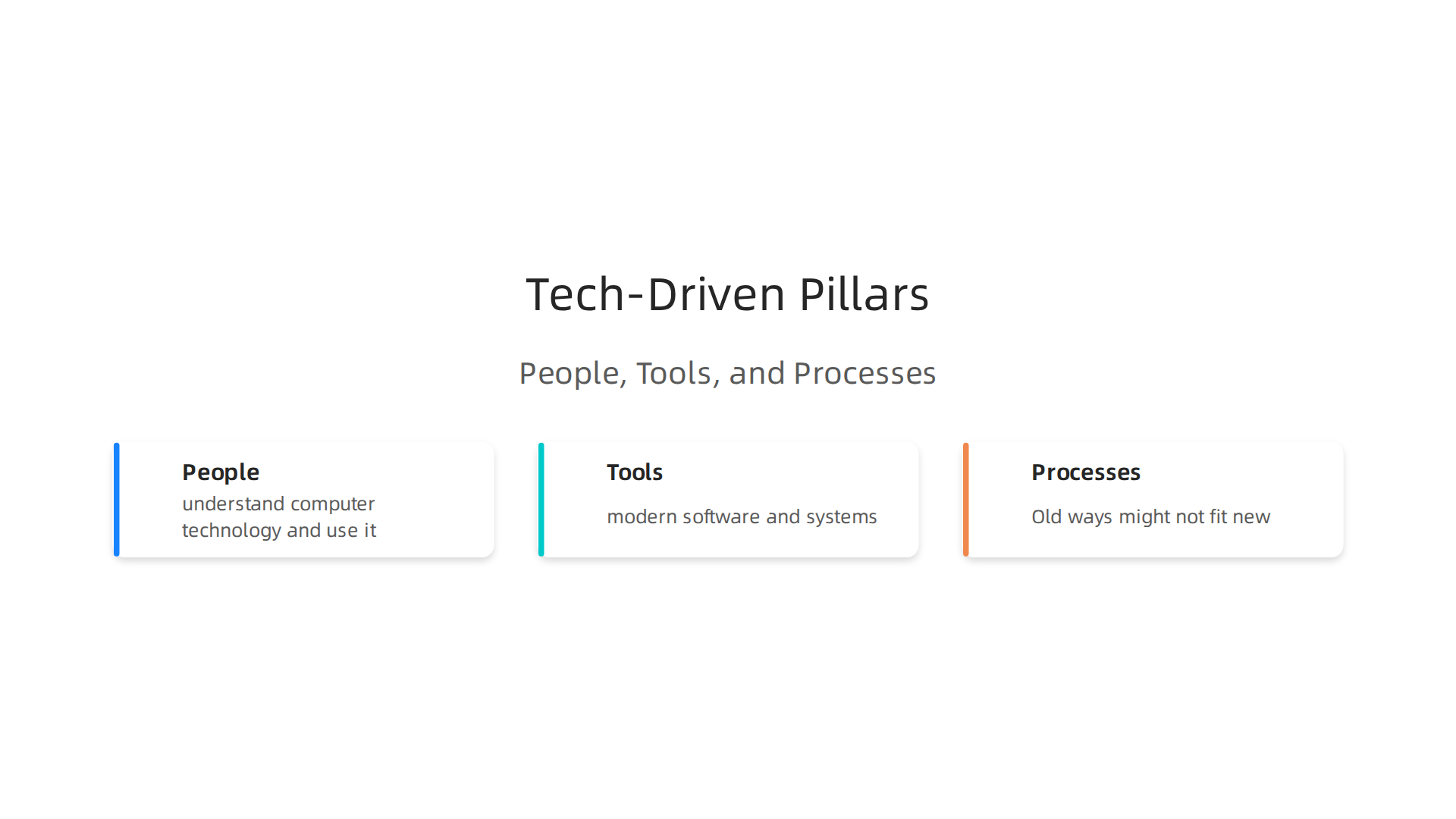
- People: You need team members who understand computer technology and how to use it. This isn’t just about computer science news; it’s about having people who can turn tech ideas into real business improvements.
- Tools: The business needs modern software and systems that can handle all the data and automate daily tasks.
- Processes: The way work gets done must also change. Old ways of doing things might not fit with new tech tools. Thinking about how to master your tech systems helps ensure your business can use technology well.
It’s easy to misunderstand what "tech-driven" truly means. Just buying new software or posting on social media doesn’t make a business tech-driven. These are just small pieces of technology. A real tech-driven approach means a big change in how a company operates and brings value to its customers, a process often called digital transformation in business. It’s not about technology vs. science in a broad sense, but about using specific computer technology smartly to reach business goals and stay ahead. This way, technology doesn’t just support the business; it becomes the very engine that drives it forward.
For a business to be truly tech-driven, it also needs to keep an eye on what’s new and exciting in computer technology. Knowing about the latest technology trends can help a business plan for the future. In 2026, there are a few key types of technology that are really changing things.
Key Emerging Technologies to Watch in 2026
To stay ahead, businesses need to know about important new computer technology. It’s not just about what you see on CNN tech news; it’s about understanding which tools can really help your company.
Here are some top areas to watch in 2026:
- Artificial Intelligence (AI) and Machine Learning (ML): These are getting smarter every day. AI helps computers learn from data and make good decisions. Machine learning is a big part of this. We’re seeing AI move from just experiments to real business uses, like predicting what customers want or helping with tasks. Experts show how machine learning is making real business impacts in 2026, automating work and helping with decisions. Understanding the different types of artificial intelligence explained for business can help you decide where to start.
- Edge Computing: Think of this as bringing computing closer to where the action is. Instead of sending all data to a faraway cloud, some smart processing happens right on the device or in the local area. This makes things faster and safer, which is great for things like smart factories or self-driving cars.
- Cybersecurity and Privacy: As we use more technology, keeping our information safe becomes even more important. New tools are coming out to better protect data from bad actors and keep customer information private. This is a must for any business working with computer technology.
How to Pick the Right Technology
Not every new piece of technology is right for every business. It’s like comparing technology vs science. Science helps us understand the world, while technology gives us tools. For your business, you need to pick tools that fit your goals.
- Think about your problems: What challenges does your business face? Does AI help make customer service better? Does better security help protect your important info?
- Start small, then grow: You don’t have to change everything at once. Try out a new technology on a small scale first. See how it works and if it helps your team.
- Look at your budget: Some technologies cost more than others. Make sure what you choose fits what you can spend.
When a Technology is Ready to Use
It’s easy to get excited about new tech, but how do you know when it’s really useful for your business? Look for these signs:
- Many companies are using it: If a lot of different businesses are finding success with a new tool, it’s a good sign it’s past the "hype" stage.
- There are clear examples of how it helps: Look for stories or case studies where the technology has helped other companies save money or make more sales.
- It’s easy to find people who know how to use it: If many people are trained in this new computer technology, it will be easier to bring into your company.
Staying informed by following computer science news for strategic business advantage can give you an edge in deciding which emerging technologies are worth your attention.
AI & Machine Learning: Practical Advances and Business Impact
As we look at 2026, Artificial Intelligence (AI) and Machine Learning (ML) are not just buzzwords. They are becoming real helpers for many businesses. They are moving past simple experiments and into tools that do real work, making companies more tech driven.
What AI and ML Can Do Now
Today, AI tools are much smarter and easier to use. New kinds of AI models can learn and work better than ever. This means AI can help with many tasks:
- Making better choices: AI can look at huge amounts of data and find patterns. This helps businesses make smarter choices, like knowing what products customers might want. Experts say that by 2026, companies will use AI to make faster, data-driven decisions and rely less on people doing manual analysis The AI Trends That Will Truly Move Businesses Forward in ….
- Automating jobs: Some AI, called "agentic AI," can even complete tasks by itself. This means it can handle things like customer service requests or organizing data, saving time and money. Many companies are looking to use these types of AI agents to fit their special business needs Organizations Stand at the Untapped Edge of AI’s Potential, Reveals ….
- Creating new things: Generative AI can create new content, like text, images, or even computer code. This helps with marketing ideas, product designs, and making work easier.
AI in Different Parts of a Business
AI helps in almost every part of a company:
- Product Development: AI can help design new products faster and predict which features customers will like most.
- Marketing: AI helps understand customers better. It can create personalized ads and predict what people will buy. This makes marketing much more effective.
- Operations: AI can manage supplies, fix problems before they happen, and make sure everything runs smoothly. This can boost how much work people get done and lower costs How AI Is Driving Revenue, Cutting Costs and Boosting ….
- Research & Development (R&D): For companies working on new discoveries, AI speeds up research. It can quickly test many ideas, leading to breakthroughs faster. You can learn more about how AI helps R&D by looking at R&D Technology Trends 2026 Reshaping AI Quantum Cybersecurity And Biotech.
Being Careful with AI Projects
Even with all these good things, businesses need to use AI wisely. This means thinking about a few key things:
- Fairness and Safety: Make sure AI systems are fair and don’t harm anyone.
- Privacy: Protect customer information and use data carefully.
- Rules and Management: Have clear rules for how AI is used and make sure everyone follows them. This is called "governance."
- Measuring Success: It’s important to track if AI projects are actually helping the business grow or save money. You need to see real results, not just guess.
For daily updates on how AI is changing the world of business and technology, check out The AI Newsletter Worth Reading. It gives clear insights into the latest AI trends.
Cybersecurity & Privacy: New Threats and Defenses
As businesses become more tech driven and use advanced tools like AI, they also face new kinds of dangers. In 2026, keeping computer systems and private information safe is harder than ever. Attackers are getting smarter, and new threats pop up all the time.
New Ways Attackers Are Causing Trouble
The world of cyber threats is changing fast. Here’s what we see:
- AI-Powered Attacks: Just as AI helps businesses, it also helps bad actors. They use AI to make attacks faster and harder to stop. Reports show a big jump in attacks by AI-enabled bad guys in 2026, making AI a double-edged sword for security
CrowdStrike 2026 Global Threat Report | Key Cyber Threat Trends. These threats can move at machine speed, making it tough for people to react quickly enough Top Cybersecurity Challenges for 2026.
- Risks in the Supply Chain: Many businesses work with other companies. If one of those partners has weak security, it can put everyone else at risk. This is called a supply chain risk, and it has caused many security problems in recent years Cybersecurity Trends 2026.
- World Events and Politics: What happens in the world, like disagreements between countries, can also make cyberattacks worse. These bigger issues make the overall online world more risky for everyone Global Cybersecurity Outlook 2026 | World Economic Forum.
Keeping Your Information Safe
With these new threats, privacy and rules are very important. Companies are working on new ways to protect data, such as using "privacy-preserving technologies." These tools help keep information secret even when it’s being used or shared. Also, governments are making new rules about how companies can collect and use your data. Businesses need to follow these rules to keep trust with their customers.
How Businesses Can Stay Safe
For any tech-driven business, being prepared is key. Here are some practical steps to defend against these new dangers:
- Smart Security Tools: Use advanced tools, including AI-powered ones, to spot and stop threats before they cause big problems. These tools can watch for unusual things happening in computer systems Cybersecurity trends 2026: Defending against agentic & AI threats.
- Check Your Partners: Make sure any company you work with also has strong security. Your safety depends on theirs, too.
- Train Your People: Even the best computer technology can’t stop all attacks if people aren’t careful. Training staff to recognize dangers like tricky emails is a crucial part of staying safe. Learning about these kinds of dangers is important for strategic business advantage. You can find more insights on how to master your tech systems for strategic business advantage.
- Plan for the Worst: Businesses need a plan for what to do if an attack happens. This helps them recover quickly and reduce the damage.
Staying on top of these cybersecurity challenges is a big part of business success in 2026.
Cloud, Edge, and Infrastructure: Where Scale Meets Latency
After making sure your business is safe from cyber threats, the next big step is thinking about where your computer systems actually live and how they work. In 2026, how businesses set up their digital groundwork, called infrastructure, is changing a lot. This is especially true for companies that are truly tech driven.
New Ways to Build Your Digital Foundation
Today, it’s not just about keeping all your information in one big central place. Many businesses are using a mix of different setups:
- Cloud Computing: This is like having your computer systems and data stored in big data centers far away. It offers lots of space and power, perfect for huge tasks like training advanced AI models or storing lots of data Edge Computing vs Cloud in Manufacturing in 2026.
- Edge Computing: This is different. It means putting smaller computer systems closer to where data is actually created, like on factory floors or in smart cars. The main idea here is speed. If something needs to react right away, like an automatic robot, you can’t wait for data to travel to a far-off cloud and back. Edge computing helps with this "low latency" need, meaning very little delay Edge Computing vs. Cloud Computing | Speedcast.
- Hybrid and Multicloud: Many companies don’t pick just one. They use a mix, often called "hybrid cloud" or "multicloud." This means they might use the cloud for some things and edge computing for others. This balance helps them get the best of both worlds, managing everything from global reach to super-fast local reactions. Experts say a hybrid approach often wins for many businesses in 2026 Edge Computing vs Cloud Computing 2026: Complete Comparis….
Picking the Right Setup: What Matters Most?
When choosing how to set up their computer technology, businesses think about a few key things:
- Cost: How much will it cost to set up and keep running? Cloud computing might look cheap at first because you pay as you go, but costs can add up for large amounts of data. Edge computing requires more upfront investment in local hardware.
- Performance: How fast does your system need to be? For things that need quick decisions, edge computing is better because it has very low latency. For tasks that can wait a little, like deep analysis, the cloud works well.
- Sustainability: How much energy does it use? Businesses are also thinking about the environmental impact of their computer technology choices. Efficient data centers and smarter use of resources are becoming more important.
Making smart decisions about your infrastructure is a big part of business success for a modern, tech-driven company. Keeping up with the latest in computer science news can help you understand these choices better. If you want to dive deeper into making informed choices about technology, you can explore how to master the science and technology corp landscape in 2026.
New Ways to Manage Software
Beyond where the computers are, how we build and run programs is also changing. "Serverless" computing lets developers write code without worrying about the servers underneath. And "data meshes" are new ways to organize data so different teams can use it easily and safely. These emerging patterns help companies create new tech-driven products faster and more efficiently.
How Companies Translate Tech Trends into Strategy
After looking at the new ways to manage software and set up computer systems, the next big question for any business is how to actually use these new ideas. For a truly tech driven company, turning new tech trends into real business plans is key. It’s like having a map to follow when new paths open up.
Here’s how smart companies often turn new ideas into action:
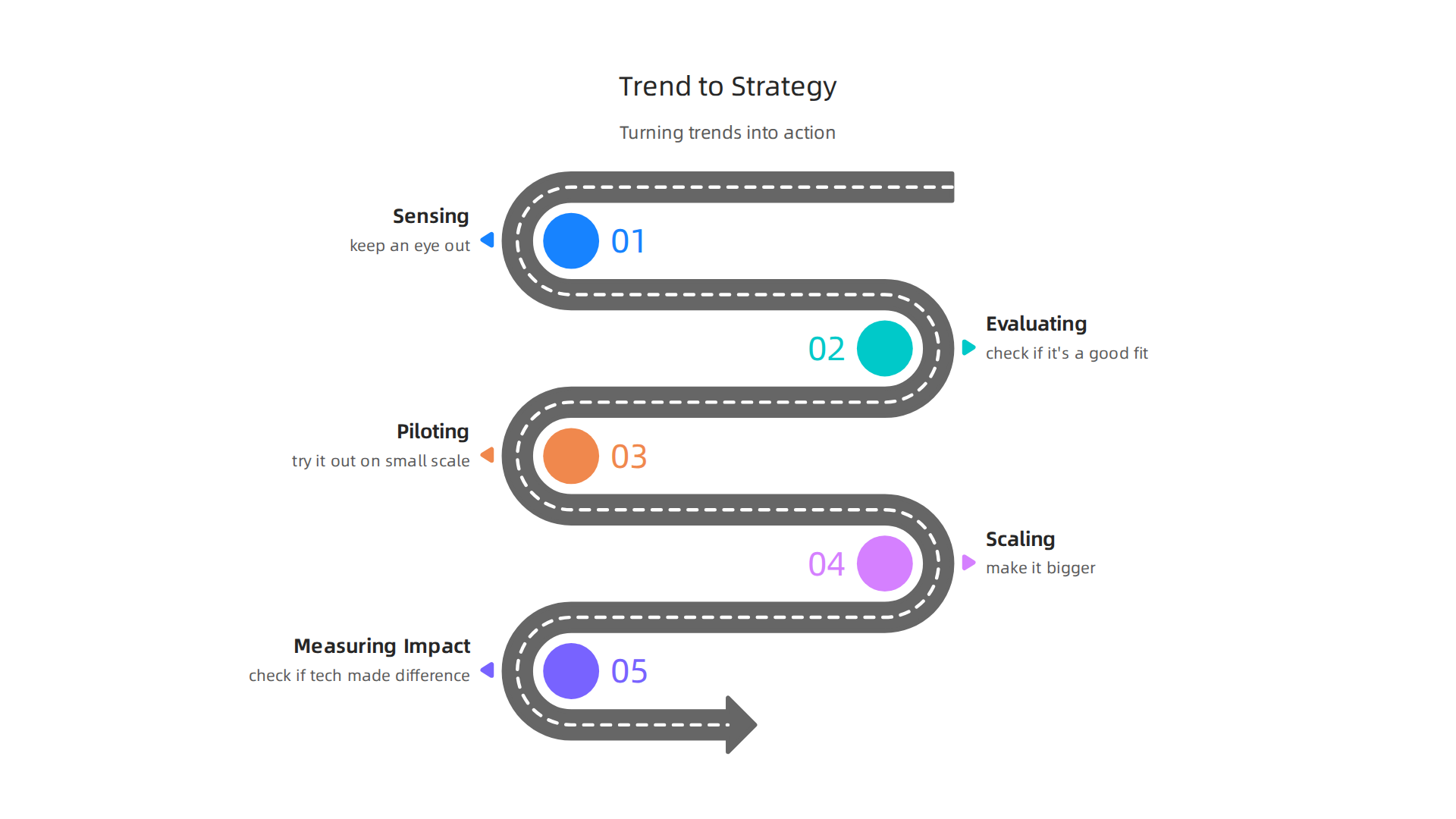
- Sensing: First, they keep an eye out for what’s new. This means staying updated on things like computer science news and general technology news. They look for trends that could help their business grow or work better.
- Evaluating: Once a new idea pops up, they check if it’s a good fit. This means asking questions like, "Will this help our customers?" or "Is this worth the money and effort?" Companies use a careful process to judge if a new technology has potential, looking at its impact on customers and business, how hard it is to use, and if it fits their goals How Innovation Teams Evaluate Emerging Technologies in 2026.
- Piloting: If an idea looks promising, they try it out on a small scale. This is like a test run. They might use the new computer technology in one small part of the company to see how it works.
- Scaling: If the pilot goes well, they make it bigger. This means bringing the new tech to more parts of the business or even the whole company.
- Measuring Impact: Lastly, they check to see if the new tech actually made a difference. Did it save money? Make customers happier? Help things run smoother?
Making Changes in the Company
To make these steps work, companies often need to change how they do things. They might need new rules (governance) to guide how tech is used. They also need to make sure their teams are rewarded for trying new things and that they have clear ways to measure if the new tech is actually helping. This includes having the right people and the right tools to work with new technology.
Avoiding Common Mistakes
Sometimes, test runs (pilots) don’t go as planned, or it’s hard to make a new tech idea bigger. A common mistake is not planning enough for how the new tech will truly change daily work. Or, sometimes, companies try to do too much at once. To fix this, it’s good to start small, learn from each step, and make sure everyone understands the new goals.
Staying informed about new tech is a continuous journey. To get clear daily AI updates and understand how new technology is shaping the future, consider exploring a valuable resource.
Get clear daily AI updates from The AI Newsletter Worth Reading.
For any business that wants to be truly tech driven, it is not just about trying out new ideas. It is also about watching where the money goes, who is getting hired, and what the big market signs tell us. These things can show us where the technology world is heading.
Investment, Talent, and Market Signals to Watch
Understanding the bigger picture means looking at more than just the latest gadgets. We also need to see how money and people are moving in the tech world.
Where Money Is Flowing
Investment is like a compass for new technology. When a lot of money goes into certain areas, it tells us those areas are expected to grow. For example, in 2026, we see big investments in artificial intelligence, green energy, and new health technologies. Companies that keep an eye on these investment trends can make smarter choices about where to put their own resources. Staying updated on major developments can help businesses identify the Top 10 opportunities for technology companies in 2026.
Finding and Keeping the Best People
A great idea needs great people to make it happen. Companies need to think about how they get the right talent. This might mean:
- Teaching current staff new skills: Helping employees learn about new computer technology means they can grow with the company.
- Hiring new experts: Bringing in people who already know a lot about specific technologies.
- Working with other groups: Sometimes, it is best to partner with schools or other companies to share knowledge and skills.
These talent strategies are key to building strong tech teams that can handle what is next. If you want to understand more about finding the right people, it can be helpful to learn how to spot major tech companies shaping 2026 for strategic advantage.
What the Market Tells Us
The market sends signals all the time. Smart investors and business leaders watch these clues to help them decide when to jump into new things or find good partners.

Here are some signals to monitor:
- Customer behavior: Are people buying certain new products more? Are they looking for faster internet or smarter homes?
- New ideas from others: What new things are competing companies showing off? This can hint at what customers want next.
- Government actions: Governments sometimes put money into science and technology, like space travel or new medicines. This creates chances for businesses to join in.
Paying attention to these market signals helps businesses make good choices. It helps them understand not just the "how" of new tech, but also the "when" and "where" to make their moves.
Summary
This article explains what it means to be a truly tech-driven business in 2026: technology is not just a tool but the core engine of operations, decision-making, and product delivery. It walks leaders through the noise of daily tech news, showing how to focus on the technologies that actually move the needle—AI/ML, edge computing, cybersecurity, hybrid cloud, and modern software patterns. You’ll learn how to pick the right technologies for your goals, recognize when a technology is ready for adoption, run small pilots, and scale successful projects while measuring impact. The guide also covers essential organizational elements—people, processes, governance, and talent—and highlights market and investment signals to watch so you can prioritize resources effectively. By reading this, decision-makers will be able to turn tech trends into practical plans, reduce risk, and advance a strategic, measurable transformation.