
Why Albany Tech Matters Now: Scope, Promise, and Who Should Read This
In 2026, the technology world is always changing. While many eyes are on big cities, a quiet revolution is happening in places like Albany, New York. The Albany tech scene is growing fast, offering new chances for businesses and tech experts alike. This article will give you a clear, fact-based look at the technology hub found in Albany.
This guide is for business leaders who make big choices, and also for anyone curious about technology.

We know you need good information to help your business grow and stay ahead. That’s why we’re sharing what makes Albany tech special. For example, in 2025, jobs in physical, engineering, and biological research in the Capital Region grew by 2% from the year before, hitting a new high mark. This shows a strong and growing area for innovation
Capital Region Tech R&D Employment Continues to Increase.
Here, you will discover useful information. We will talk about important assets, helpful data sources, and signs of new investments in the area. We will also explain the rules and policies that shape the local tech market. Most importantly, we’ll show you practical steps you can take to get involved or use what Albany tech offers. This could mean finding new partners, spotting market trends, or making smart investment choices.
To keep learning about the fast-moving world of technology, remember to check out resources that help you stay updated. You can find out more by reading our guide to the best tech publications for business strategy in 2026. This article is your starting point to understand why Albany tech is a place to watch right now.
Get clear daily AI updates from The AI Newsletter Worth Reading.
Now, let’s look at how big the Albany tech world really is and what helps it grow. The tech scene in Albany, New York, is not just a small spot. It’s a key part of the larger US tech landscape, showing strong growth and making a big mark on the economy.
Economic Snapshot: Jobs, Money, and Businesses
The Albany-Schenectady-Troy area is a thriving economic center. In 2026, the overall economy here is strong. Data from the Bureau of Labor Statistics shows a healthy job market
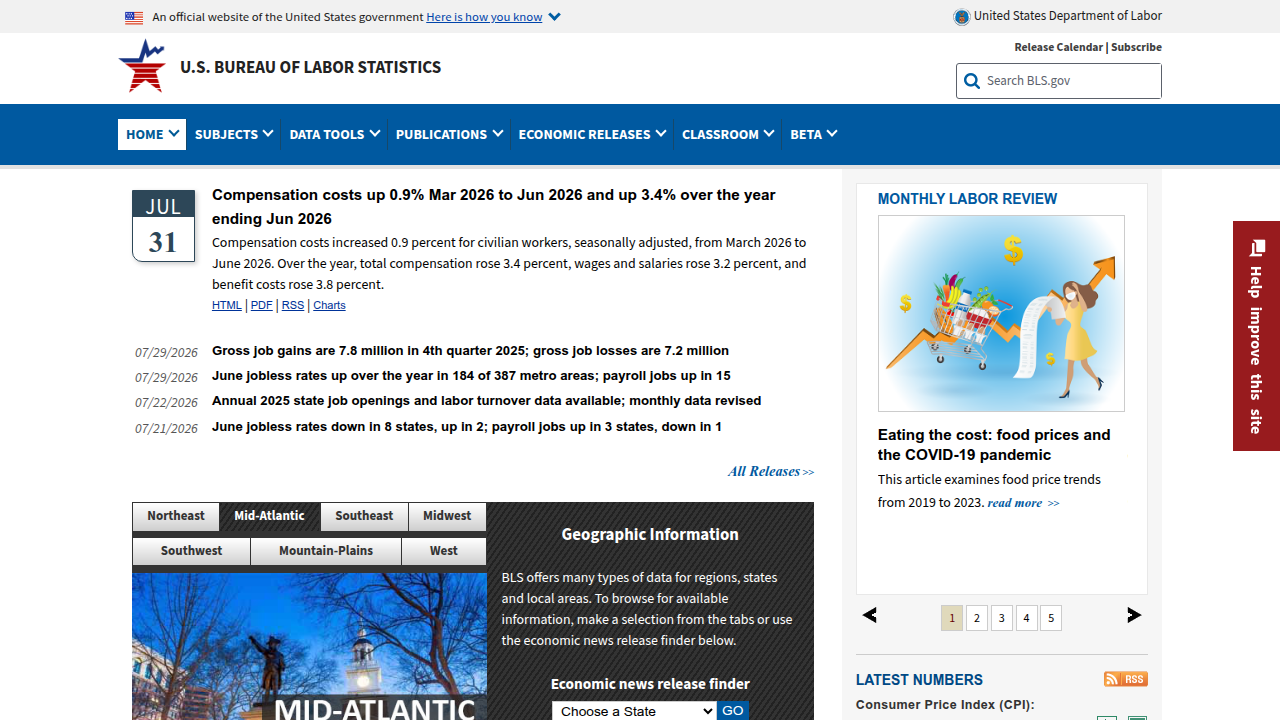
Albany, NY, Area Economic Summary. Many people work in the tech sector, which includes jobs in science, engineering, and advanced manufacturing. This growth leads to good paychecks, boosting the local economy and making it an attractive place for skilled workers and businesses.
The Capital Region, where Albany sits, has seen good progress in tech employment. For example, research and development jobs in physical, engineering, and biological fields reached an all-time high in 2025 Capital Region Tech R&D Employment Continues to Increase. This growth shows that Albany tech is not only creating jobs but also driving important new discoveries. The money earned from these jobs and businesses helps the region grow even more.
What Makes Albany Tech Grow?
There are a few main reasons why Albany tech is doing so well:
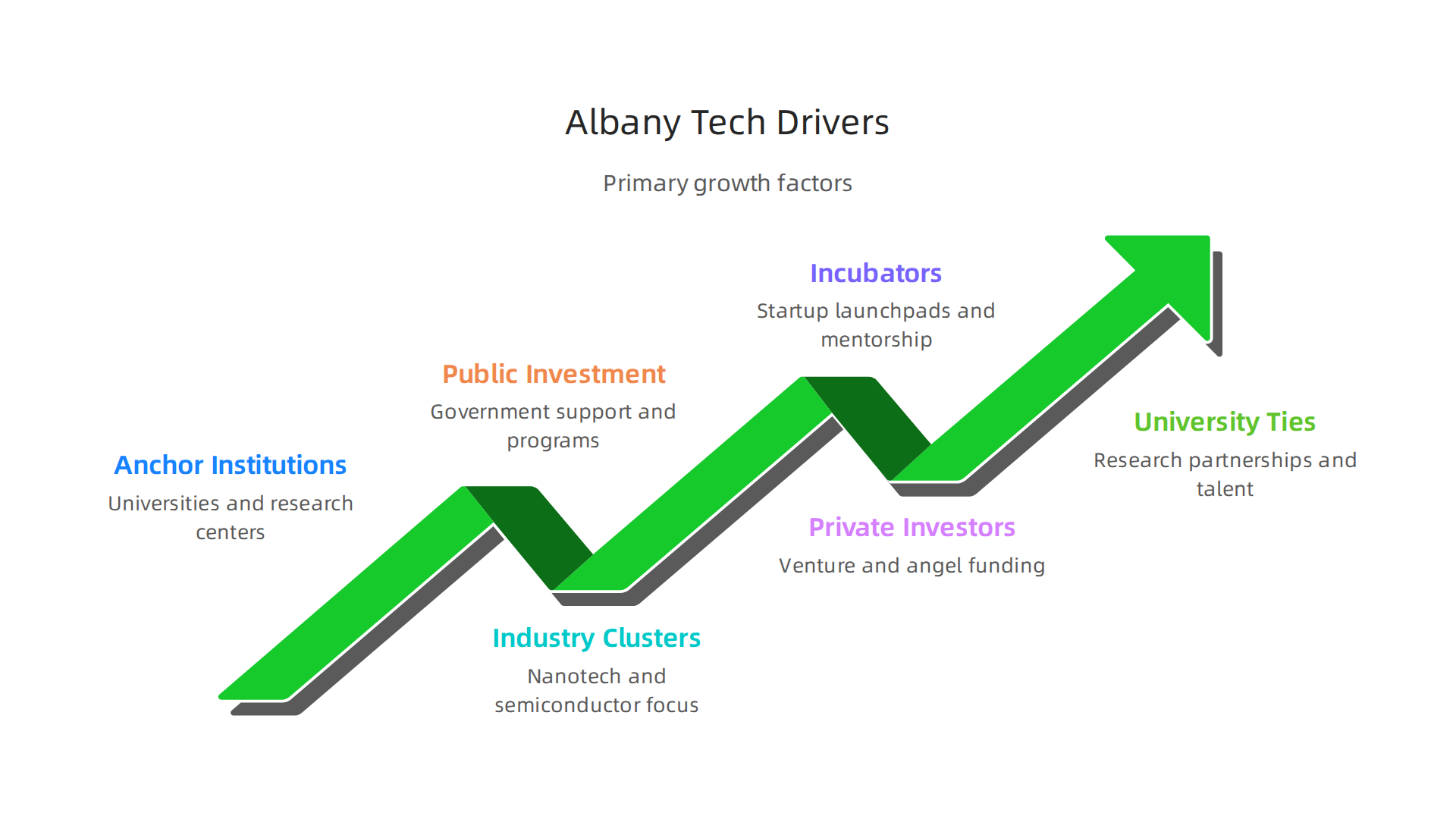
- Anchor Institutions: Big schools and research centers play a huge role. The University at Albany (UAlbany) is a prime example. It brings in over $1 billion to the Capital Region’s economy and is a leader in research and development UAlbany Generates More than $1B for Capital Region Economy. In 2024, UAlbany’s research and development spending went up to almost $472 million, placing it among the top public research schools in the nation without medical centers Engineering, Life Sciences Lead R&D Growth at UAlbany. This kind of spending helps create new ideas and bring new companies to the area. For those interested in how such research drives innovation, exploring general R&D Technology Trends 2026 Reshaping AI Quantum Cybersecurity and Biotech can provide broader context.
- Industry Clusters: Albany has become known for specific types of tech. Nanotechnology and semiconductor manufacturing are two big ones. This area has been a hub for advanced semiconductor operations and nanotechnology research for two decades New York’s Nanotechnology Model: Building the Innovation Economy: Summary of a Symposium. The state of New York even has a plan called "GO-SEMI" to help grow the semiconductor industry further GO-SEMI: The Semiconductor Future of New York. These industry groups create many specialized jobs and attract more related businesses.
- Public Investment: The government also helps Albany tech grow. Leaders understand that investing in universities and tech projects is good for the future. For example, Governor Hochul announced a $50 million investment to expand SUNY, which includes UAlbany Governor Hochul Announces $50 Million Capital Investment to Expand State University of New York. These funds help create new facilities, hire more researchers, and train new talent.
This mix of strong job numbers, leading research institutions, focused tech industries, and government support makes the Albany tech scene a powerful economic engine. It’s a great example of how a regional tech center can become a major player in the US tech economy.
The growth of Albany tech doesn’t just happen by itself. It builds on strong foundations like great universities, smart research centers, and useful places for businesses to grow. These are the key assets that make Albany’s tech world special.
Universities and Research Centers Driving Albany Tech
At the heart of Albany’s tech scene are its universities and research hubs. These places create new ideas, train skilled workers, and bring in lots of money for research.

The University at Albany (UAlbany) is a big leader here. It’s known for its strong research, especially in science and engineering. In 2024, UAlbany spent almost $472 million on research and development. This big number put it among the top public research schools in the nation that do not have medical centers Engineering, Life Sciences Lead R&D Growth at UAlbany. For example, their computer and information sciences research spending went up by 168 percent in fiscal year 2024, especially in areas like Artificial Intelligence (AI) and quantum computing AI & Quantum Drive Doubling of Capital Region University Computer R&D Spending. This work helps shape what is next in tech. If you’re looking to understand more about how academic institutions contribute to AI, there are great Artificial Intelligence Academic Resources Your 2026 Roadmap available.
Besides UAlbany, other important centers also help. Albany Medical College, for instance, leads the Capital Region in getting research money from the National Institutes of Health (NIH). In 2024, they received $13.2 million from 30 grants for their research Our Research | Researchers and Research Programs. These institutions work together to make the Albany tech environment a place where new discoveries happen all the time.
Places Where Tech Businesses Grow
Beyond the classrooms and labs, Albany tech also has many places where new ideas turn into real companies.
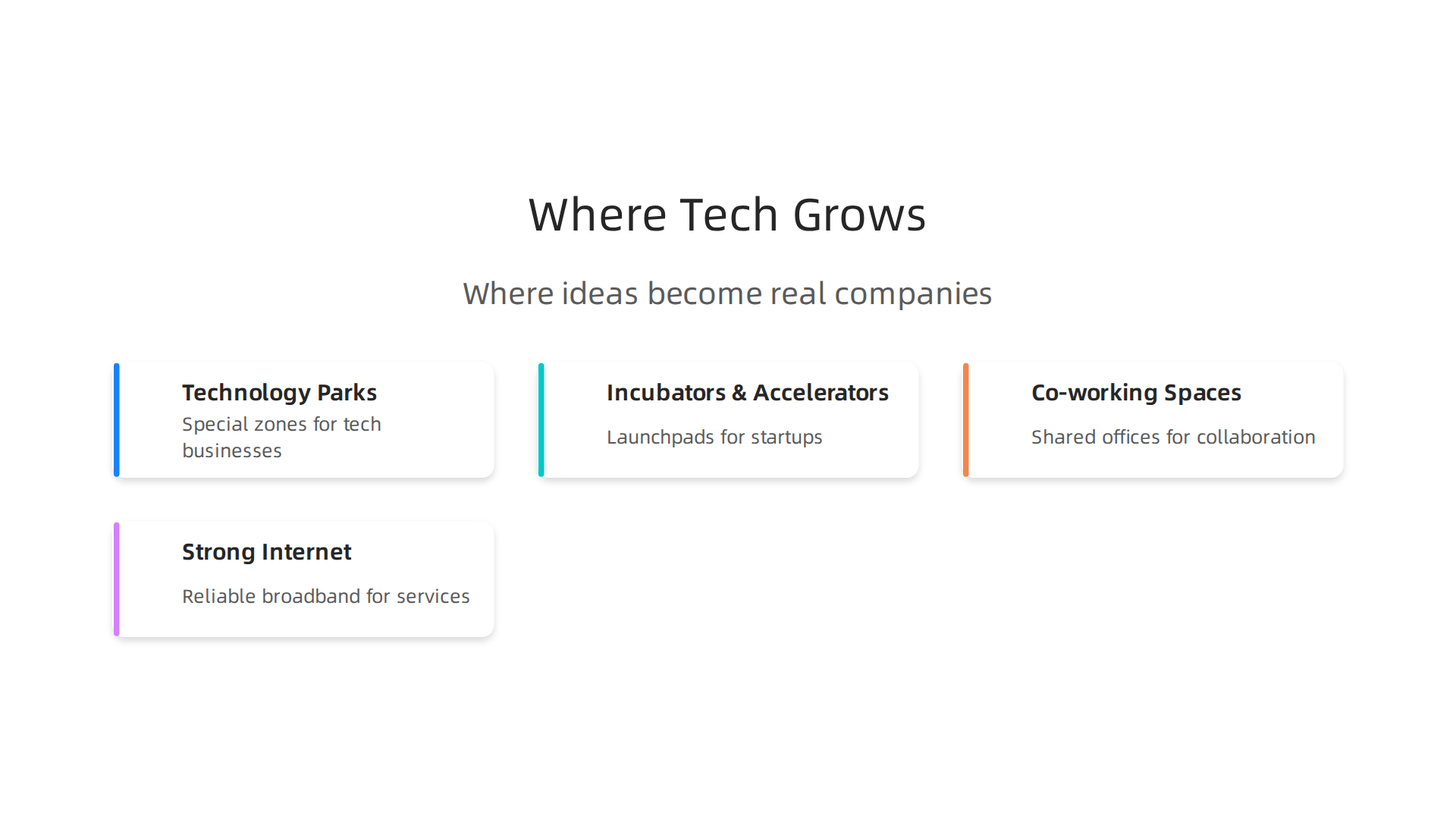
- Technology Parks: The area has special zones for tech businesses. One famous example is the Albany NanoTech Complex. It’s a huge center for nanotechnology research and development, helping to grow the semiconductor industry. These parks offer advanced facilities and bring many tech companies together.
- Incubators and Accelerators: These are like launchpads for startups. They provide young companies with office space, tools, advice, and even funding to help them grow quickly. These places are crucial for turning bright ideas from universities into successful businesses that add to the Albany tech economy.
- Co-working Spaces: Many small tech companies and freelancers in Albany use co-working spaces. These shared offices allow people to work together, share ideas, and connect with others in the tech community. This helps build a strong network for new businesses.
- Strong Internet: Good internet is super important for any tech area. Albany has strong broadband internet and other ways to connect, which is key for businesses that rely on fast and steady online services. This lets companies run smoothly and compete with others across the country and the world.
All these assets, from top universities doing important research to modern places where businesses can start and grow, make Albany a truly powerful hub for US tech. They ensure a constant flow of new ideas, skilled people, and growing companies, keeping the Albany tech scene lively and innovative.
For those eager to keep up with the cutting-edge developments that these academic and business hubs are driving, consider exploring The AI Newsletter Worth Reading to get clear daily AI updates.
Albany’s strong foundations, like top universities and useful business spaces, lead to a busy world of new tech companies and skilled people. Let’s look at the kinds of new businesses starting up and where they find the workers they need.
Startup Landscape and Talent: Who’s Building What, and Where Do People with the Right Skills Come From?
The Albany tech scene is seeing many new businesses pop up. These startups are working on exciting things in different areas. Many are focused on business software, creating tools to help other companies run better. You also see a lot of growth in life sciences, which means new ideas for health and medicine. And, of course, semiconductors, which are tiny parts that make all our electronics work, are a big deal here because of Albany’s special research centers.
In 2026, Albany has 36 recently funded startups.

Together, they have raised over $271 million, with each getting about $10.9 million on average Funded Startups in Albany, New York. This shows that investors believe in the new ideas coming from this area. For example, some startups are even in areas like mental health care Funded Startups in Albany, New York – Fundraise Insider. To learn more about how new tech companies make a mark, you can check out how to spot major tech companies shaping 2026 for strategic advantage. These companies are often small at first, but with help from local incubators and research, they grow into important parts of the US tech economy.
Where the Skilled Workers Come From
A big part of Albany’s tech success is its people. The area has a good supply of skilled workers, thanks to its universities and colleges. These schools train many graduates in computer science, engineering, and other tech fields. These new graduates are ready to join the workforce and bring fresh ideas. The Capital Region also sees a steady increase in people working in research and development, which helps grow the tech workforce Albany, NY, Area Economic Summary.
However, even with many skilled people, companies sometimes face challenges. For example, the nanotech and semiconductor industries, which are very important in Albany, need very specific skills. Finding enough people with these highly specialized talents can be hard Nanotech and Workforce Challenges. This means that while many jobs are created, it is important to make sure workers have the right training for the most advanced roles. Programs at local schools are always working to match their training with what tech companies need, especially in fast-changing areas like AI and biotech. Understanding different R&D Technology Trends 2026 is key for both students and companies. This connection between schools and businesses helps make sure the Albany tech community keeps growing strong.
The growing Albany tech community, with its skilled workers and innovative companies, needs money to keep going strong. This money comes from different places, like private investors, big companies, and government programs. Knowing where this funding comes from helps us understand how the Albany tech scene keeps growing.
Funding & Corporate Activity: Where Investment Is Flowing and Who’s Funding It
Investment is like fuel for new ideas and businesses. In Albany, there are many ways companies get the money they need to develop new technologies and grow.
Private Investors: Venture Capital and Angel Funds
Private investors, often called venture capitalists or angel investors, look for new companies with big potential.

They put money into these startups hoping they will become very successful. For all of Upstate New York, which includes Albany, startup investment has seen a good return. In the first half of 2025, 46 deals brought in $339 million for companies across the region Startup vitality returns to Upstate New York. Albany also has its own share of venture capital news that shows ongoing interest in local innovation Albany Venture capital News. This private money is very important for early-stage companies in the Albany tech sector.
Corporate Research and Development
Big companies also play a key role by setting up research and development (R&D) centers or forming partnerships. Albany is known for its advanced electronics and semiconductors industries Capital Region Industry Sectors. This has led to strong teamwork between public groups, universities, and businesses. For example, the region has developed a leading hub for nanotechnology R&D thanks to these kinds of partnerships New York’s Nanotechnology Model. These partnerships help new ideas move from labs to real products.
Public Funding and Government Support
Government programs and public funds also give a big boost to the Albany tech scene. New York State has plans to support economic growth, and these plans often include money for new businesses and tech projects. The Capital Region Economic Development Council’s strategic plan from 2024 to 2028, for instance, talks about growing a regional seed fund for startups 2024–2028 Strategic Plan.
Local universities are also active funders. Rensselaer Polytechnic Institute (RPI) has shown interest in putting $10 million into its own startup fund RPI wants to put $10 million behind startups. This shows how higher education supports innovation directly. Additionally, state programs like GO-SEMI aim to build New York’s future in semiconductors, which will bring more funding and jobs to Albany GO-SEMI: The Semiconductor Future of New York. The University at Albany itself is part of initiatives like NYSUNY 2020, which is creating jobs and boosting the local economy through research and academics Microsoft Word – NYSUNY 2020.
All these different types of funding and partnerships help make sure the Albany tech sector has the resources it needs to keep inventing and growing. Staying on top of these funding trends and broader technology developments is key.
Get clear daily AI updates from The AI Newsletter Worth Reading.
5) Policy, incentives, and infrastructure: The public levers shaping Albany tech
Staying on top of funding trends and new technology developments is key. But it’s not just about money. The rules, help from the government, and even the buildings and internet speed in a place also shape how much tech can grow. These public levers are very important for the Albany tech community.
Government Help and Special Deals
The government, both state and local, gives a lot of help to make sure Albany tech companies can start and grow. This often comes as special deals or programs.
Tax Credits and Grants
One big way to help is through tax credits. These are like discounts on taxes for companies that do certain things, like creating new jobs or investing a lot of money in their business. For example, New York State has the Excelsior Jobs Program. This program gives tax credits to high-tech and manufacturing businesses that create jobs. These kinds of state incentives for businesses are a big reason why companies choose to operate in New York’s Tech Valley.
Companies can also get grants, which are like gifts of money that don’t need to be paid back. There are many Albany small business grants available in 2026. Albany County also offers its own Advance Albany County Alliance funding programs to help existing local businesses grow. Even the University at Albany was chosen for a UAlbany Global Entrepreneurs Grant to help international founders start businesses in New York. All these kinds of help are important for the overall health of Albany’s economy, as outlined in New York’s 2026 budget incentives.
Special Programs and Training
Beyond money, there are special programs. In the past, the START-UP NY Program allowed new businesses to operate tax-free for 10 years, though it stopped taking new applications in 2026. This shows how policies can change.
Today, there’s a big push for jobs in semiconductors. Governor Kathy Hochul launched the Semiconductor Manufacturing Workforce Training Incentive Program to help connect people with jobs in this fast-growing industry. These kinds of programs are crucial for making sure there are enough skilled workers for Albany tech companies. Understanding R&D Technology Trends 2026 helps everyone see where new jobs and businesses are heading.
Buildings and Internet: The Foundation for Tech
For any tech company, having a good place to work and fast internet is a must. This is called infrastructure.
Physical Spaces
Albany offers different kinds of places for tech companies to set up shop. This includes office buildings, lab spaces for research, and even special areas for manufacturing. Having the right physical space is key for companies as they grow, from small startups to larger businesses that need more room. Local Albany economic development assistance can help businesses find suitable locations and support their growth.
Digital Connectivity
In 2026, fast and reliable internet is like electricity used to be. Every Albany tech business, from software developers to research labs, needs strong broadband internet to connect with customers, work with teams, and use cloud services. Without good digital connections, it would be very hard for tech companies to do their work. It’s about more than just speed; it’s about being able to master your tech systems for strategic business advantage.
By offering tax breaks, grants, and good places to work with fast internet, Albany creates a strong environment for its tech community. These public efforts are very important for the city’s growth in the technology world.
6) How to engage Albany tech: Practical steps for founders, investors, and corporate teams
Albany has built a strong foundation for its tech community with good government help and key infrastructure. So, if you’re a new business owner, someone looking to invest, or part of a bigger company, you might be asking: How do I get involved?

This section will show you how to find your place and make connections in the Albany tech world.
Finding Your Way In: Market Entry and Partnerships
When you want to join the Albany tech scene, it’s good to know where to start. You can look for ways to enter the market or find partners.
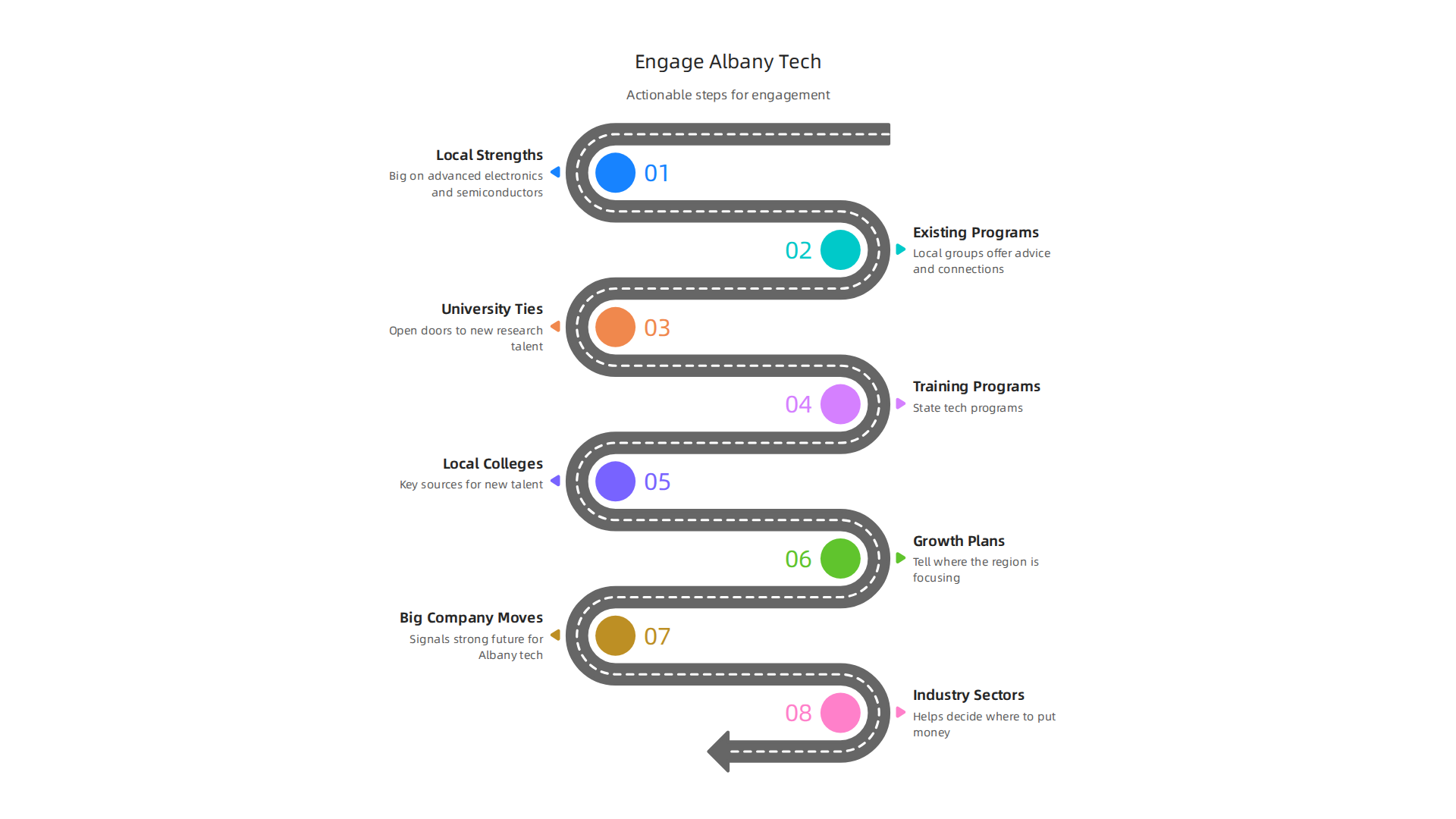
- Understand Local Strengths: Albany and the surrounding Capital Region are big on advanced electronics and semiconductors. This area has become a main spot for creating and making these high-tech items. Knowing this helps you see where your business might fit best. The Capital Region also has a 2024–2028 Strategic Plan that looks at growth sectors like cybersecurity and FinTech.
- Look for Existing Programs: Local groups want to help new businesses grow. They can offer advice and connections. These groups often work to bring new businesses to the area and help existing ones get bigger, as seen in the Taxes and Incentives available in Albany.
- Consider University Ties: Places like the University at Albany have played a big role in growing the tech scene, especially in nanotechnology. Working with universities can open doors to new research, talent, and ideas. You can learn more about how places like SUNY Albany helped build the tech economy by reading about New York’s Nanotechnology Model.
Finding Good People: Talent Sourcing
For any tech company, having skilled workers is super important. Albany is working hard to make sure there are enough talented people.
- Training Programs: New York State has programs like the Semiconductor Manufacturing Workforce Training Incentive Program to help people get ready for jobs in fast-growing tech areas. Albany Technical College also offers new training for things like electric vehicles and has a Women In Technology (WIT) Initiative to support women in tech careers.
- Local Colleges and Universities: These schools are key sources for new talent. Connecting with them can help you find interns or new graduates with the skills your business needs.
Smart Investing: Due Diligence and Signals to Watch
If you’re an investor or a company looking to partner, you need to do your homework.
- Check Local Growth Plans: Reviewing strategic plans from economic development groups can tell you where the region is focusing its efforts. The Advance Albany County Alliance has a strategic plan that talks about enhancing broadband access, which is crucial for tech.
- Watch for Big Company Moves: When large companies expand or get tax breaks in the area, it can signal a strong future for Albany tech. For instance, New Albany has given major tax cuts for planned data centers for large tech companies. Also, big AI companies expanding in New York shows a strong environment for tech.
- Look at Industry Sectors: The Center for Economic Growth shares information about key industries in the region, like advanced electronics. This can help you decide where to put your money. Check out their Capital Region Industry Sectors to see what’s happening.
- Evaluate Companies Carefully: Learn how to look at tech companies to make smart choices. You can find helpful advice in an expert guide to evaluating tech companies. Also, knowing how to spot major tech companies can help you find good opportunities.
To stay current on the fast-changing world of tech, especially in AI, consider getting regular updates.
The Deep View Newsletter offers clear daily AI updates to help you stay ahead. The AI Newsletter Worth Reading
Summary
This article explains why Albany, New York, is an emerging regional technology hub in 2026 by laying out the data, assets, and practical steps for engagement. It reviews an economic snapshot—rising R&D employment, startup funding, and strong wage gains—then describes the core strengths that drive growth: anchor universities like UAlbany, specialized industry clusters (nanotech, semiconductors, life sciences), and public investment. The piece covers places where companies scale—technology parks, incubators, and co‑working spaces—along with talent pipelines from local colleges and training programs. It also summarizes funding sources (venture, corporate R&D, and state programs), tax incentives and workforce initiatives, and the infrastructure that matters (labs, broadband). Finally, readers get pragmatic guidance on market entry, partnering with universities, talent sourcing, and what investors should watch to evaluate opportunities in Albany tech.