

Why ‘Block Tech’ Matters Right Now
Have you heard of "block tech"? It is a very important type of information technology that is changing how we do many things, both in business and in our daily lives. Think of block tech as a special kind of digital record book. This book is not kept in one place. Instead, it is spread out across many computers.

Everyone can see the records, but no one person can change them without everyone else agreeing. This makes it very safe and clear.
Actually, the full name for block tech is blockchain. It is a digital ledger that records actions in a safe and clear way, like keeping track of money or important papers 2026 Trends Shaping Investment Products.
Because it is so secure and transparent, many businesses and smart people in tech are paying close attention to it. Understanding what it is and how it works helps you stay tech smart in 2026. If you want to know more about the big picture of technology, check out Unlock the True Technology Meaning for Strategic Business Advantage.

Block tech is one of the most exciting emerging technologies right now. It is changing many different industries. For example, it is used to track payments, manage supply chains, and even help people own digital art. In fact, nearly 90% of businesses in the US, UK, and China are starting to use blockchain in some way The State of Enterprise Blockchain Adoption in 2023.
This shows just how much it is influencing big business choices and how companies plan for the future. Even regular people are getting involved; about 30% of American adults own cryptocurrency, which relies on block tech 2026 Cryptocurrency Adoption and Sentiment Report.
As we go through this article, we will look at how block tech creates new chances for businesses and individuals. We will also talk about some of the risks that come with these new ways of doing things. Our goal is to give you a clear plan for how to think about and use this powerful technology.
To keep up with all the fast changes in technology like block tech, you need the best information.
The AI Newsletter Worth Reading
What Is ‘Block Tech’? Core Concepts Explained
To truly understand block tech, let’s break down its main ideas.
Think of it like a special rulebook for a digital club. Everyone in the club has a copy of the rulebook, and any new rule or change must be agreed upon by most members before it becomes official. This makes the club very trustworthy.
The Basics: Distributed Ledger Technology (DLT)
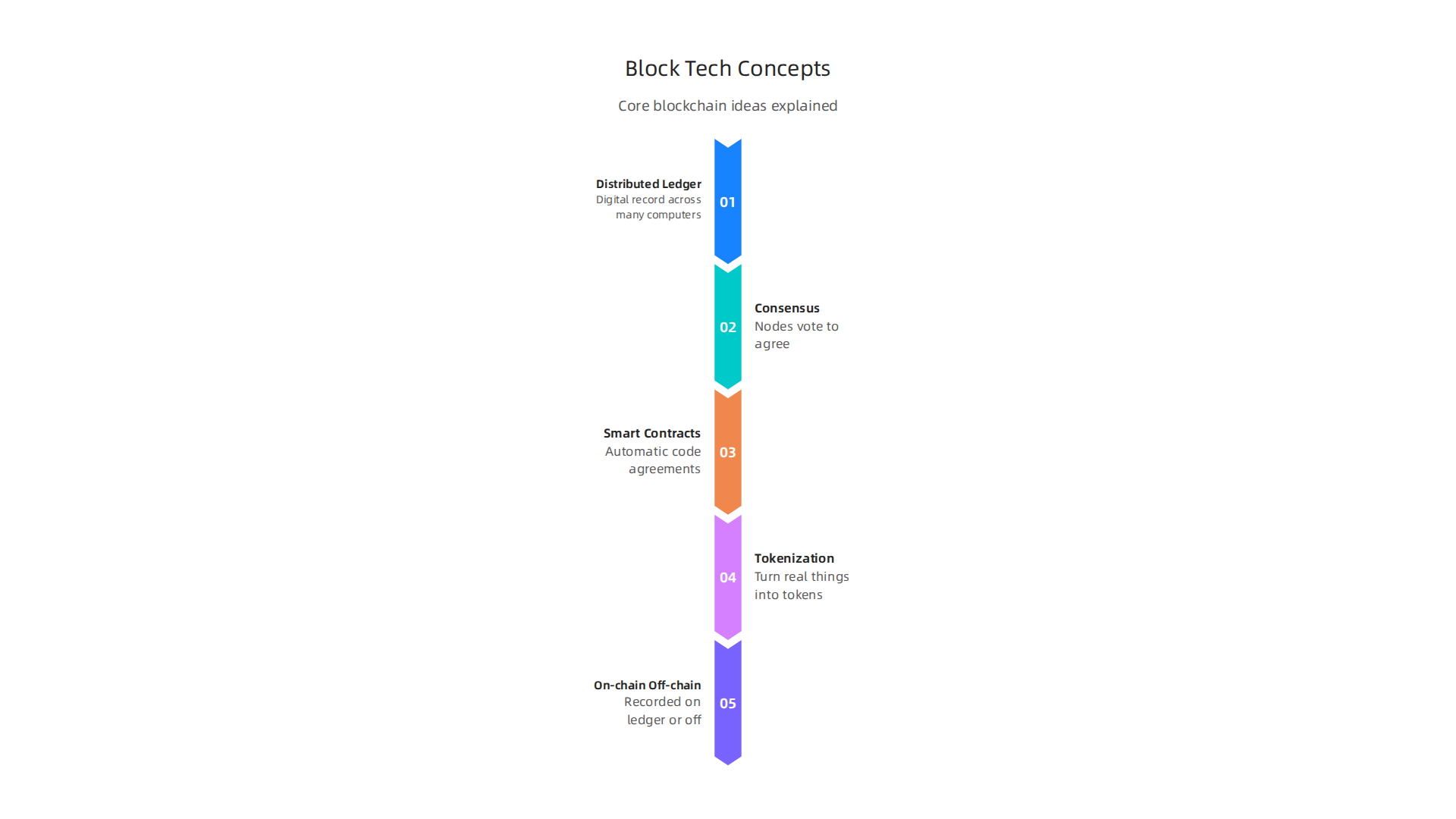
Block tech is really a type of Distributed Ledger Technology. This means the "digital record book" is not kept in one central place. Instead, many computers, called "nodes," each hold an identical copy of the ledger. When a new action or "transaction" happens, like sending money or signing a digital paper, it is grouped with other actions into a "block." This new block then gets added to the chain of existing blocks. Every node updates its copy of the ledger with this new block.
This setup is what makes block tech so strong. If one computer goes offline or tries to change a record, the other computers still have the correct copies. This makes it very hard to cheat or mess with the information. It is part of why understanding this information technology definition is key to being tech smart in 2026. For a broader look at how different tech ideas work together, you might want to read about Understand Information Systems vs Information Technology to Make Better Career and Business Decisions.
How Computers Agree: Consensus
How do all these computers agree on what new actions are real and should be added to the block tech chain? This is where "consensus mechanisms" come in. It’s like a voting system. Different block tech systems use different ways for the nodes to agree. Once enough nodes agree that a new block is good, it is officially added to the chain, and all copies are updated. This process keeps the whole system honest and secure.
Smart Contracts: Self-Running Agreements
Another important part of block tech, especially for emerging technologies that use it, is "smart contracts." These are like regular contracts, but they are stored and run directly on the block tech network. A smart contract is a piece of code that automatically does what it says it will do when certain conditions are met. For example, if you set up a smart contract to pay a person once a task is finished, the payment happens automatically when the system confirms the task is done. No need for a middleman. This makes agreements faster and more trustworthy.
Types of Block Tech: Public vs. Private
Not all block tech is the same. There are two main kinds:
- Public Blockchains: These are open for anyone to join, see transactions, and help keep the network running. Bitcoin and Ethereum are famous examples. They are very clear for anyone who uses the www tech.
- Private or Permissioned Blockchains: These are often used by companies or groups. Only certain people or organizations are allowed to join and see the records. This gives them more control over who can take part. They are good for businesses that need the safety of block tech but also need to keep some information private.
Other Important Words to Know
- Tokenization: This is when you turn something real, like a piece of art or part of a building, into a digital "token" on a block tech network. It means you can own or trade parts of things more easily. Real-world asset tokenization is a big trend in 2026 Blockchain Trends 2026: What’s Actually Reshaping the ….
- On-chain/Off-chain: "On-chain" means something is recorded directly on the main block tech ledger. "Off-chain" means an action or record happens outside the main ledger, but is often linked back to it later for confirmation. This helps keep the main block tech fast and efficient.
Knowing these core concepts helps you understand why block tech is such a game-changer and how it helps make so many systems more secure and transparent today.
Knowing these core concepts helps you understand why block tech is such a game-changer and how it helps make so many systems more secure and transparent today. Now, let’s look at how companies are using this powerful block tech to do business better.
How Blockchain Is Impacting Enterprises: Use Cases and Business Value
In 2026, block tech is not just for digital money anymore. Big companies, also called enterprises, are finding many smart ways to use it. These new ways are changing how businesses work, making things safer, clearer, and often cheaper. This makes companies more tech smart.
Real-World Uses for Businesses
Companies are using block tech for many important tasks:
- Supply Chains: Imagine tracking a product from the farm or factory all the way to your hand. Block tech makes this super clear. Every step is recorded, so you know where things come from and if they are real. This helps stop fake goods and makes sure food is safe. Many supply chain projects are now moving past testing and into real-world use this year, showing real value for businesses.
- Payments and Banking: Sending money across countries can be slow and costly. Block tech speeds this up and lowers fees. It helps banks work together more easily and safely, especially for big amounts of money.
- Identity Management: Think of a digital ID that is very secure and only you control. Block tech can create these. It makes it safer to prove who you are online, without sharing too much personal information.
- Asset Tokenization: This is when you turn real things, like a part of a building or a piece of art, into digital tokens. These tokens can then be bought and sold much more easily, even in small pieces. It makes it simpler for more people to own a share of big assets.
From Testing to Real Results
Many of these uses started as ideas or small tests. But in 2026, a lot of enterprise block tech is now actually running and showing good results. Experts say that more and more big companies are using block tech in their main operations, not just for experiments. This shift from testing to actual use means companies are seeing real money saved or made.

For example, in financial services, asset tokenization and cross-border payments are quite mature, often showing a return on investment in 12-18 months. Supply chain uses are also maturing quickly, with good returns within 18-24 months, according to a report on where enterprise blockchain actually stands in 2026. This move is helped by clearer rules from governments around the world, giving companies more confidence.
Changing How Businesses Work Together
Block tech is changing how different companies talk and trade with each other. It builds trust because everyone shares the same true record of information. This means less need for middlemen or checking things many times, which saves time and money. It creates new ways for partners to work together in a safer, more open way. If you want to dive deeper into making your company’s technology work smarter for you, consider how you might Master Your Tech Systems for Strategic Business Advantage.
Overall, emerging technologies like block tech are helping companies make their business models more efficient and trustworthy. This is part of being truly tech smart in today’s fast-moving world. Many businesses are now finding clear benefits and getting a real return on their investment in this powerful information technology definition. In fact, almost half of enterprise block tech projects now show a positive return on investment, especially in finance. This shows that block tech is a valuable tool for companies looking to grow and succeed in 2026 and beyond, as highlighted in a report on Enterprise Blockchain Solutions in 2026: ROI, Use Cases and ….
As we see more and more real results from block tech, it is important for businesses to understand which uses fit them best. Not all solutions are right for every company. It is like choosing the right tool for a job. To help you think about this, we can look at how different block tech uses stack up. This way, you can figure out what might work for your own business.
Comparing Real-World Use Cases
Imagine a helpful chart that lays out the many ways companies use block tech. This chart would show you how each use case compares in a few key areas. It helps you see the big picture and decide if a certain block tech idea is a good fit.
Here is what that kind of chart would help you think about:
- Main Benefit: What is the biggest good thing this use case brings? Is it making things super clear, speeding things up, or saving money?
- How Ready It Is (Maturity): Is this a brand-new idea that is still being tested, or is it something many companies are already doing? In 2026, some block tech uses are very mature, while others are still growing.
- Risks and Challenges: What are the tough parts about putting this into action? Does it cost a lot to start, or do you need many partners to agree?
- Who Is Using It (Example Industries): Which types of businesses are already finding success with this block tech? This gives you an idea of where it is proving most useful.
When you look at different block tech ideas, ask yourself these questions: What problem do I want to solve? How important is trust or speed for my business? Am I ready to try something new, or do I need a proven solution? Understanding these points can make your company more tech smart in picking the right emerging technologies.
A Quick Look at Specific Examples
Let’s explore a few more examples of how block tech is being used today:
- Easy Ownership of Assets: Remember when we talked about asset tokenization? This means turning parts of a real thing, like a fancy painting or a piece of a big building, into digital tokens. These tokens can be sold in small pieces, making it easier for many people to own a share. This idea is really taking off in 2026, moving from just tests to real ways people own things, especially in finance and real estate. This is part of the broader Blockchain Trends 2026 we are seeing.
- Better Vendor Management: Companies need to pick good suppliers. Block tech can help here by keeping a clear, shared record of how well each supplier performs. This makes it easier to track deliveries, payments, and quality. It helps businesses choose reliable partners and manage their relationships better, as highlighted in insights about Blockchain In Procurement & Supply Chain. This ensures that businesses have a strong, clear picture of who they are working with.
- Healthcare Records: Imagine your health records being safe and private, but still easy to share with different doctors when you need to. Block tech can make this happen. It helps keep patient information secure and lets doctors see what they need to, but only with your permission. This is one of the important blockchain use cases enabled across various sectors, including healthcare, as discussed in a document from a NIST Workshop on Blockchain and DLT.
- Digital Certificates: From university degrees to professional licenses, block tech can create digital versions that are impossible to fake. This makes it simple to check if someone’s qualifications are real, which is very useful for hiring and background checks. It makes the whole process more trustworthy and efficient.
These examples show how versatile block tech is. It is not just one thing; it is a whole set of tools that can change how businesses work in many different ways, helping them stay ahead in the world of information technology.
These examples show how versatile block tech is. It is not just one thing; it is a whole set of tools that can change how businesses work in many different ways, helping them stay ahead in the world of information technology.
Technical Constraints and Scalability: What CTOs Must Consider
While block tech offers many good things, it also comes with its own challenges. For leaders in technology, like Chief Technology Officers (CTOs), it is important to understand these technical hurdles. When thinking about using block tech, you need to consider a few key things that affect how well it works.
Here are the main technical points to think about:
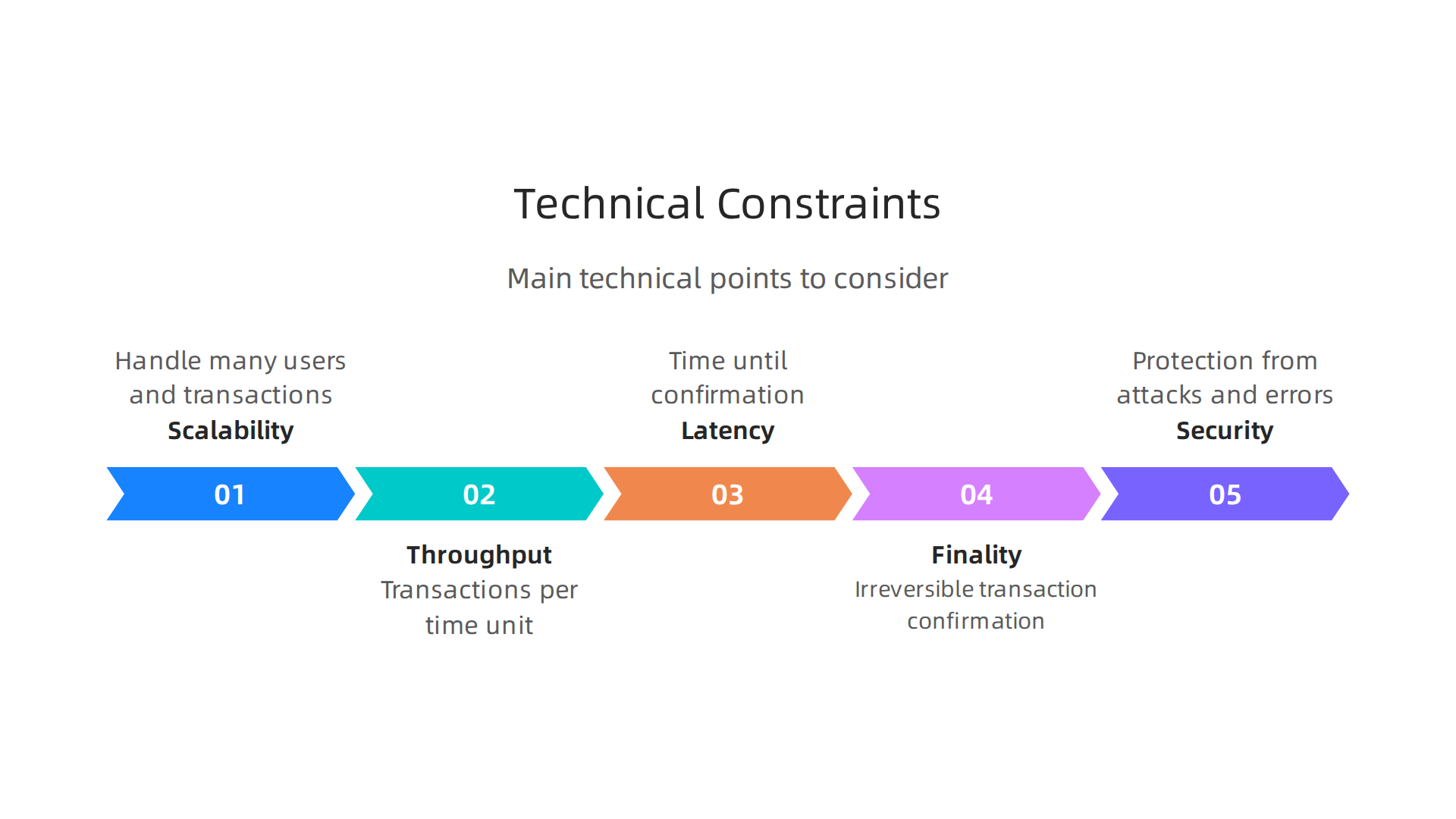
- Scalability: Can the block tech system handle a lot of users and many transactions at once? If your business grows, will the system keep up? This is a big question for many emerging technologies, and a challenge that researchers are actively working on improving for block tech A Comprehensive Survey of Blockchain Scalability.
- Throughput: This is about how many transactions the system can finish in a certain amount of time. Think of it like a highway: how many cars can pass through per minute? For businesses, high throughput means things move quickly.
- Latency: How long does it take for a transaction to be confirmed and finalized? If it takes too long, it can slow down your business operations. People expect quick results in 2026.
- Finality: When is a transaction truly set in stone and cannot be changed? Different block tech systems have different ways of doing this, and some take longer than others to reach finality.
- Security: How safe is the system from attacks or errors? Block tech is known for its security, but how it is set up still matters a lot. Keeping your data safe is always a top priority.
Getting these things right means making choices. Sometimes, you might have to give up a little bit of speed to get more security, or vice versa. It is all about finding the right balance for your specific business needs.
Making Block Tech Bigger and Faster
To help block tech handle more work, people have come up with clever ways to make it more scalable. These solutions are key for businesses that want to use this kind of cutting-edge technology.
- Layer 2 Solutions: Think of these as special "express lanes" built on top of the main block tech highway. They handle many small transactions off the main chain, then settle them all at once on the main chain. This helps speed things up and lower costs. These layer-two protocols are a focus in improving how block tech performs A Survey on Blockchain Scalability: From Hardware to Layer-Two Protocols.
- Sharding: This approach splits the block tech network into smaller parts, called "shards." Each shard can process its own transactions at the same time. It is like having many smaller teams working on different parts of a project at once, making the whole process faster. This is a common way to improve overall capacity, as explored in a Comprehensive Review on Blockchain Scalability.
- Permissioned Designs: Some businesses use private block tech systems where only approved participants can join. This allows for faster transaction speeds and better control, because fewer unknown people are involved. These designs are often used in big companies where trust among participants is already there.
For any CTO looking at block tech, understanding these options is crucial. It helps you pick the right design that can grow with your company and meet your needs. You want to master your tech systems to gain a real edge.
We can imagine a clear diagram that shows these trade-offs and how different block tech setups fit various business goals. This type of visual helps make complex choices clearer. Looking at these choices is part of keeping up with R&D technology trends 2026 and making your company truly tech smart.
Now, let’s talk about another big part of using block tech: the rules and laws. These are called regulation, compliance, and risk. For tech leaders, it is super important to understand these legal considerations. Ignoring them can cause big problems for any business, no matter how tech smart it is.
Here are the main legal areas that often affect block tech projects:
- Data Privacy: Block tech often handles a lot of information. Rules like GDPR in Europe or similar laws in other places tell us how to keep people’s private data safe. You need to make sure your block tech system protects this information properly.
- Securities Laws: Sometimes, things on a block tech system might be seen as investments, like stocks or bonds. If they are, they fall under special rules called securities laws. This can make how you set up and use your block tech very different.
- Anti-Money Laundering (AML) and Know Your Customer (KYC): These rules are about stopping bad people from using systems to hide money from crimes. For block tech, this means you often need to know who is using your system and where their money comes from. This is a key area for checking any block tech company or tool, as outlined in a guide to choosing a blockchain analytics provider.
- Cross-Border Rules: Block tech works all over the world. But different countries have different laws. This means you have to be careful when your block tech system deals with people or businesses in many places. Following all these different laws can be tricky.
Actually, regulatory rules are a big reason why many businesses are now using block tech more. They help give companies a clearer path forward. For example, in Europe, new rules like MiCA (Markets in Crypto-Assets Regulation) have helped businesses know what to expect when working with digital assets Enterprise Blockchain Adoption in 2026. This kind of clarity helps speed up the use of block tech across industries.
How Businesses Stay on the Right Side of the Law
To deal with these rules, businesses use smart strategies to stay compliant:
- Good Governance: This means having clear rules and people in charge who make sure everyone follows them. It’s like having a good playbook for your block tech use.
- Regular Audits: Just like checking your money, you need to check your block tech systems often. These checks, or audits, make sure everything is working as it should and follows all the rules.
- Permissioned Access: For many business block tech systems, not everyone can join. Only approved people or companies get access. This helps keep things secure and makes it easier to follow rules like KYC. You can learn more about how to carefully check different companies in the tech world by looking at how to identify key tech entities and evaluate them effectively.
Why Legal Risks Matter for Your Block Tech Design
Rules and laws are not the same everywhere. What is okay in one country might not be in another. This is why when you design a block tech project, you must think about these legal risks from the very beginning. The place your business operates and where your users are will shape how you build your block tech system.
Many businesses are now moving block tech projects from small tests to full use, and regulatory clarity is a big reason why. This is especially true for enterprise blockchain adoption in 2026. Being mindful of these legal needs helps make sure your amazing block tech idea can actually work in the real world.
For businesses to truly use block tech, they need a clear plan.

This is especially true after thinking about all the rules and laws. You need a simple way to look at new block tech ideas, test them, and decide if they are right for your company. This plan is called an evaluation framework. It helps leaders make smart choices about these emerging technologies.
How to Evaluate and Adopt Blockchain: A Practical Framework for Leaders
When you want to bring block tech into your business, it’s like putting together a puzzle. You need to make sure all the pieces fit. Here’s a simple way to look at it:
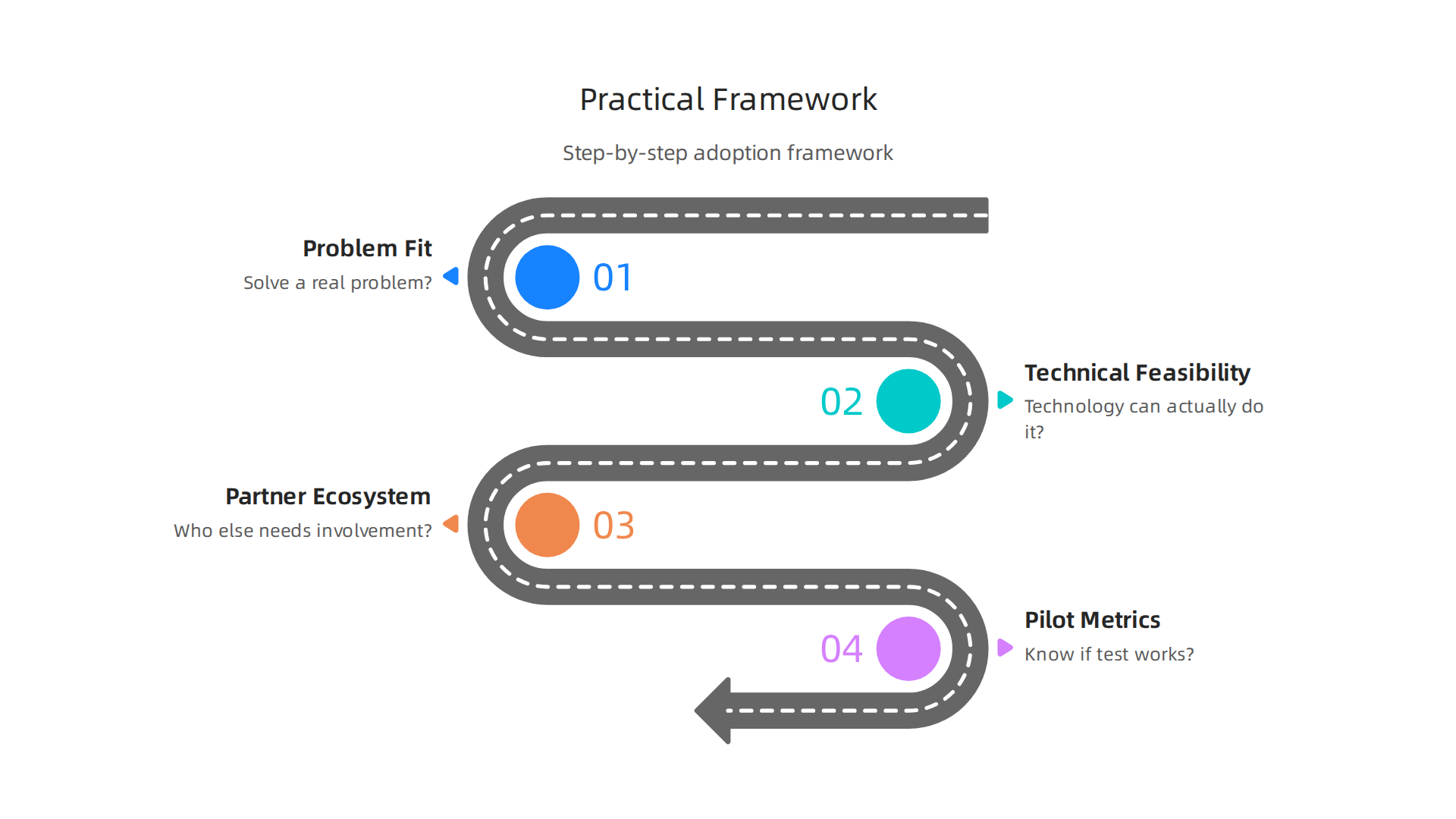
1. Does Block Tech Solve a Real Problem? (Problem Fit)
First, ask yourself if block tech actually helps with a problem your business has. Don’t just use it because it’s new. Think about things like:
- Does it make things faster?
- Does it make things safer?
- Does it save money?
- Does it help many different groups work together better?
For example, block tech is good for keeping track of things that move between many companies, like products in a supply chain. It’s also good for checking where an item came from. A good plan always starts by finding a specific problem that block tech can truly fix, a step called "strategic fit" in one useful framework for 2026 block tech strategy Master Blockchain Implementation Strategy 2026.
2. Can the Technology Actually Do It? (Technical Feasibility)
Next, you need to check if the block tech can actually do what you need. Is it strong enough? Is it fast enough? Will it work with your current computer systems? This is about looking at the tech itself. You should also think about if it’s easy to use and if it can grow as your business grows. When looking at new block tech projects, it is wise to examine things like how tokens are given out and how often they are used, as mentioned in a 2026 guide How to Evaluate New Blockchain Projects.
3. Who Else Needs to Be Involved? (Partner Ecosystem)
You probably won’t build everything yourself. Block tech often works best when different companies or groups work together. So, you need to find the right partners. This means looking for good vendors (companies that sell block tech services or tools) and other businesses that might join your block tech network. Choosing the right partners is very important for making your project successful. You can learn more about how to choose the right companies by looking at how to spot major tech companies shaping 2026 for strategic advantage.
4. How Will We Know if Our Test Works? (Pilot Metrics)
Before you launch a big block tech project, it’s smart to do a small test, called a pilot. But how will you know if this pilot is a success? You need to set clear goals for what "success" looks like. These are called "metrics." Instead of just looking at technical details, focus on what really helps the business, like saving money or making customers happier. These goals should be clear and measurable, so you can track how well the pilot is doing. It is important to set key goals that show business results, like how much money you save or how many people use the new system How to Align Enterprise Blockchain Strategy with Business Objectives in 2026.
Decision Time: Pilot vs. Full-Scale Rollout
After your pilot, you need to decide. Did it work well enough to use it for your whole business (full-scale rollout)? Or do you need to change things, or maybe even stop? This decision should be based on what you learned from your pilot metrics. You also need to think about the costs and benefits. Will the good things from using block tech outweigh the money and effort you put into it?
Tips for Making It Happen (Operational Advice)
- Choosing Vendors: Look for companies that have a good history and understand your business needs. Ask them tough questions.
- Getting What You Need (Procurement): Make sure you have a clear plan for buying the block tech tools and services you need.
- Measuring Success: Keep checking your goals even after the pilot. Block tech, like other information technology, is always changing. You want to make sure your solution keeps helping your business over time. Many businesses use these kinds of smart checks to make sure they are on the right track. This makes them truly tech smart.
Staying updated on all kinds of emerging technologies, like block tech and AI, is key for any leader. To make sure you’re always in the know about the latest in AI and other important tech developments, consider subscribing for a dose of clarity and insight.
The AI Newsletter Worth Reading
Summary
This article explains why "block tech" (blockchain) matters now and how it works, breaking down core ideas like distributed ledgers, consensus mechanisms, smart contracts, and the differences between public and permissioned networks. It reviews practical enterprise applications—supply chain tracking, cross-border payments, identity, tokenization—and shows how many projects have moved from pilots to production with measurable ROI. The piece also outlines key technical constraints (scalability, throughput, latency, finality) and common scaling approaches such as layer‑2 solutions and sharding. It highlights regulatory and compliance issues—privacy, securities, AML/KYC and cross‑border rules—and offers a step‑by‑step framework for evaluating, piloting, and deciding on full rollouts. CTOs and business leaders will learn how to match block tech to real problems, choose partners, set pilot metrics, and make risk‑aware deployment decisions. Overall, the guide helps readers judge when blockchain is the right tool and how to implement it responsibly for business value.